FinOps / 2023
CloudChipr
Making cloud cost operations actionable for engineering and finance teams.
- Tools



- Co-Designers
 Bella Hayrapetyan
 Habet Ayvazyan
 Zhanna Voskanyan

The brief
CloudChipr is a cloud-cost observability, management, and automation platform for engineering and finance teams.
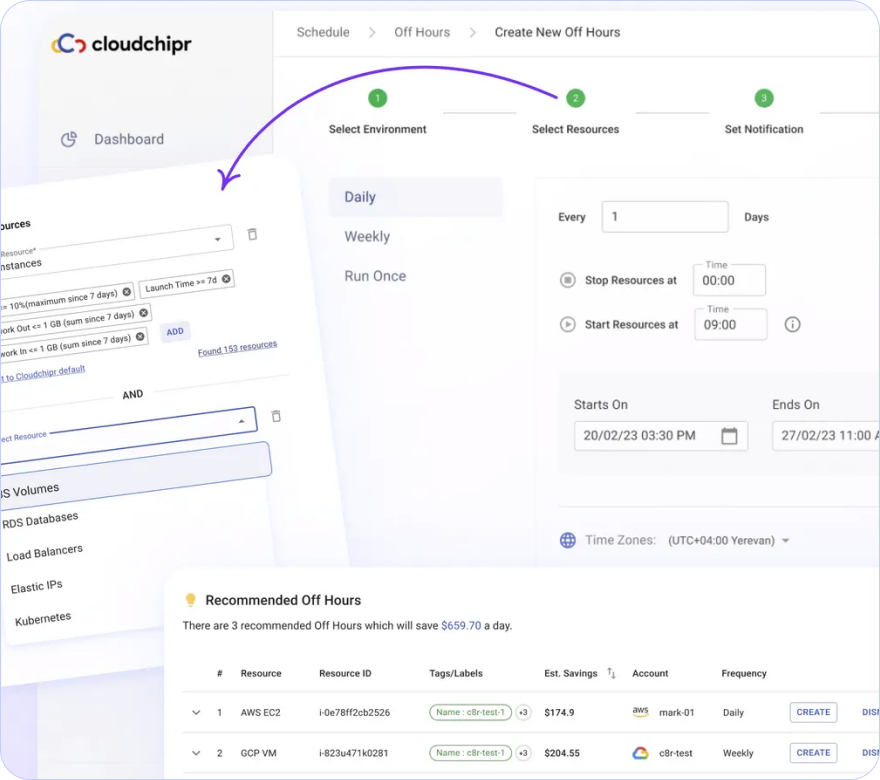
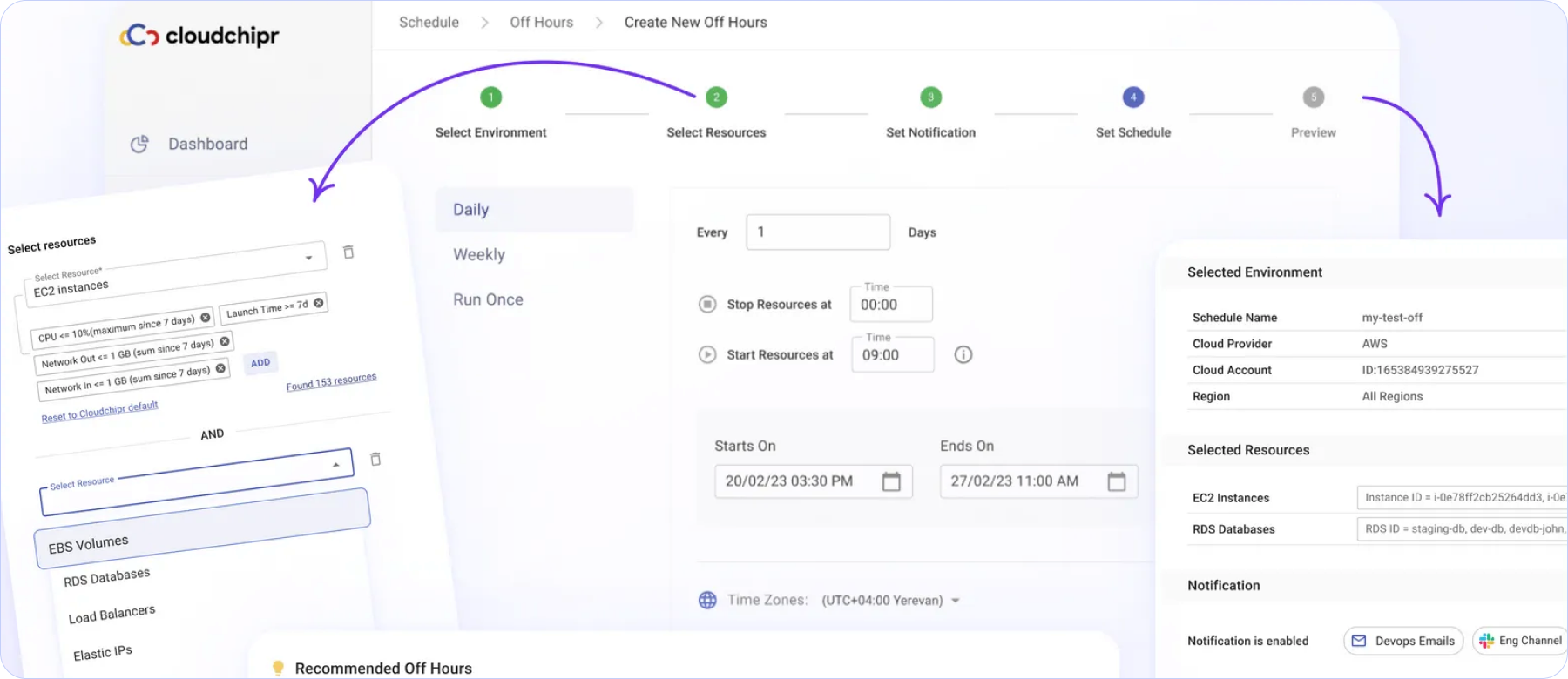
My role was to turn complex cloud operations into an understandable MVP: teams could schedule workflows, send Slack alerts, create Jira tickets, and deactivate unused resources across AWS, GCP, and Azure.
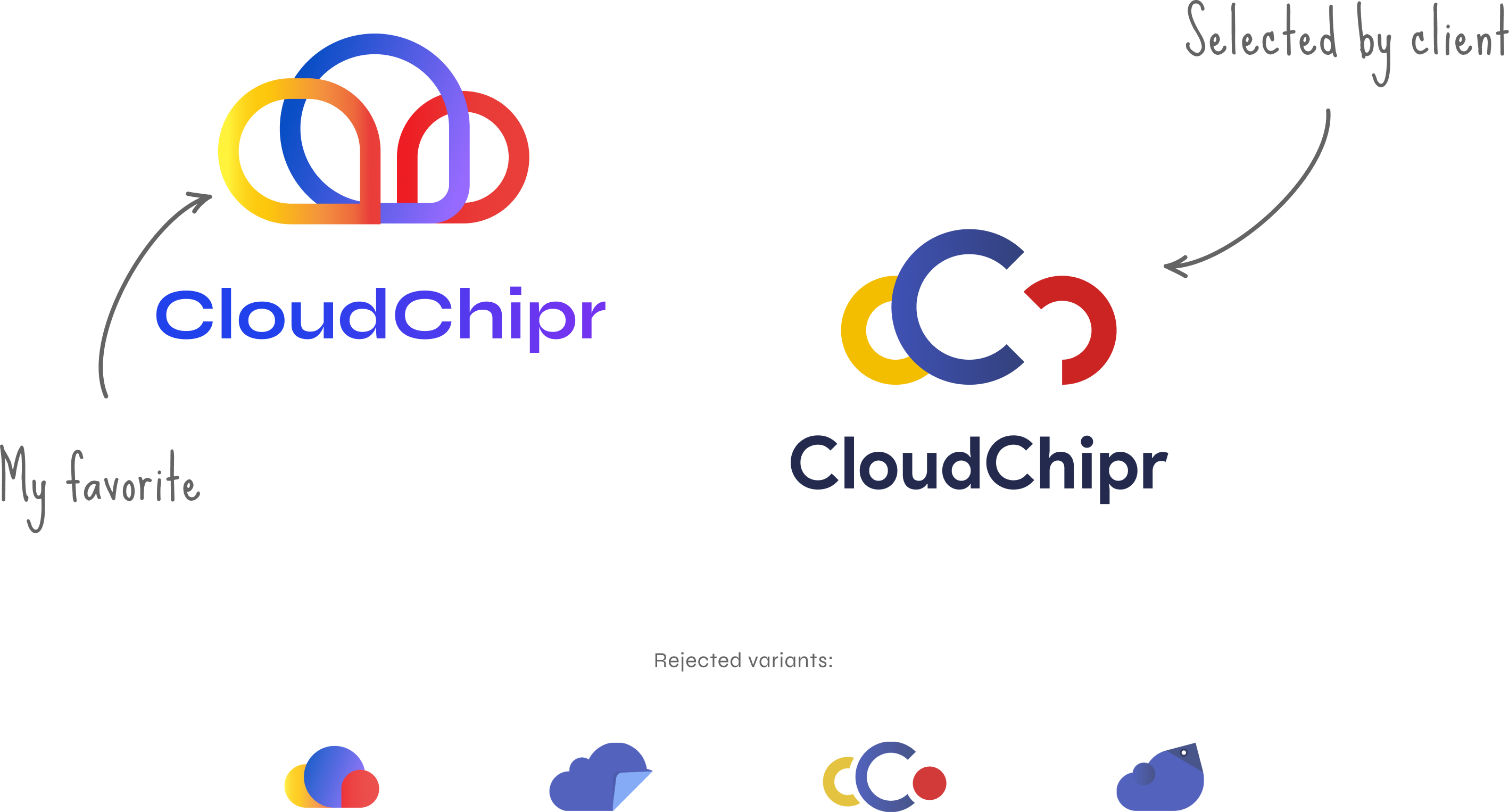
Concept Selection
This is one of those scenarios, where my design preferences did not align with the client's. However "the client is always right."



How it started
Imagine being a UX designer exploring the world of cloud systems like AWS, GCP, and Azure. Sounds hard ha?
I joined a team of expert SRE and DevOps engineers when the project was just starting, moving from being a solo designer. Back then, all I had were a concept and a few rough mockups. As I was relatively new to this field, I decided to start with the basics – fundamental learning. This study covered a series of important steps that I needed to work through.
- 01Field Study
- 02Competitor analysis
- 03User Research

Field Study
I took 3 major steps to conduct quality field study:
I went on a quest, scouring industry reports, articles, and whitepapers all about cloud cost optimization and management, SREs and DevOpses job, daily routine etc.
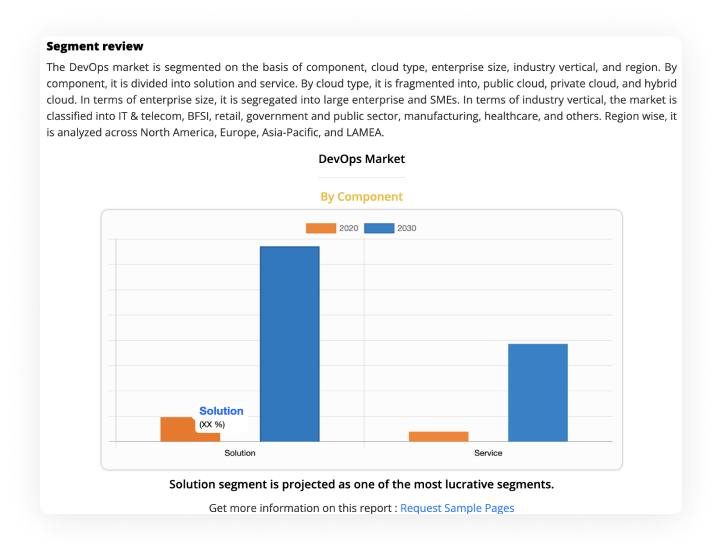
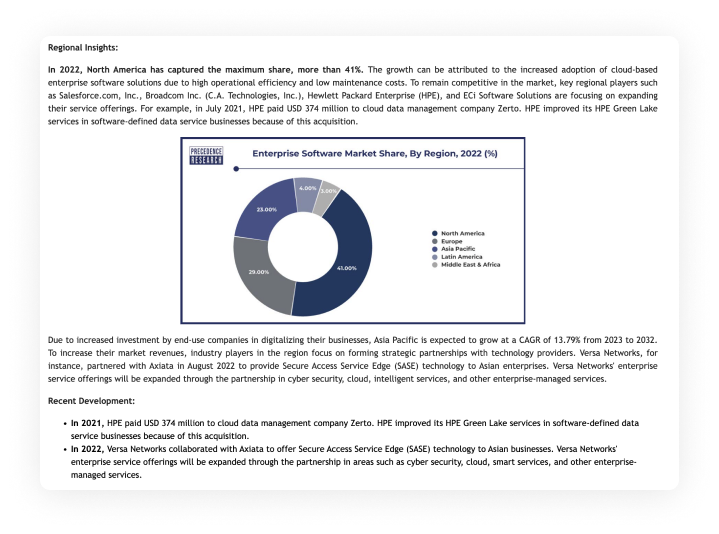
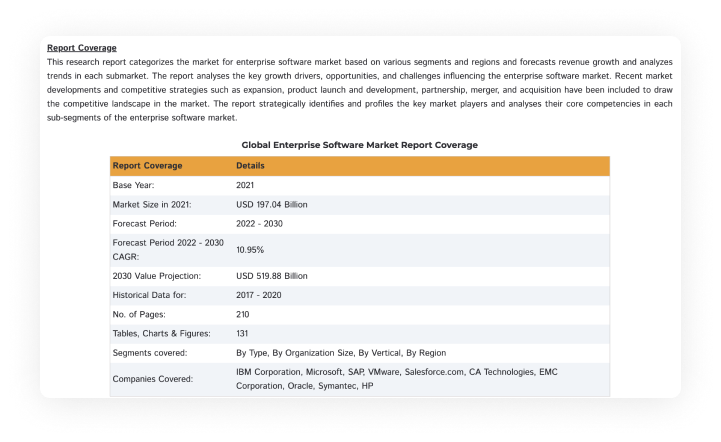
Get more information on this report: Request Sample Pages.
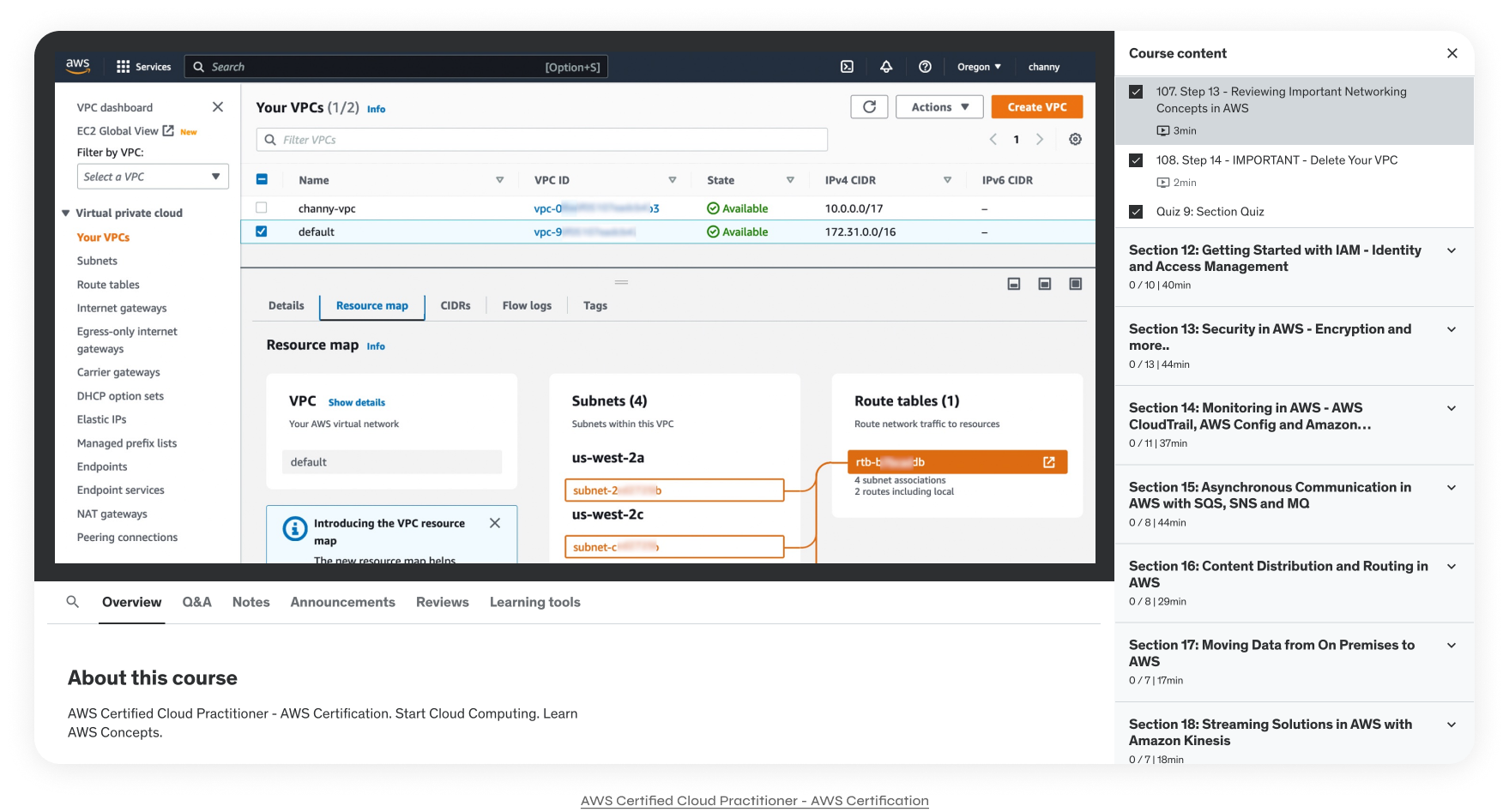
I enrolled in a course on Udemy (218 lectures in total). Think of it as a crash course in cloud language and landscape. It helped me understand the jargon and navigate the territory better.
Then came the interviews – I sat down with stakeholders like Engineers and CPO. Particularly I collected all the keywords, mimics and notes to understand their vision, pain points and needs.
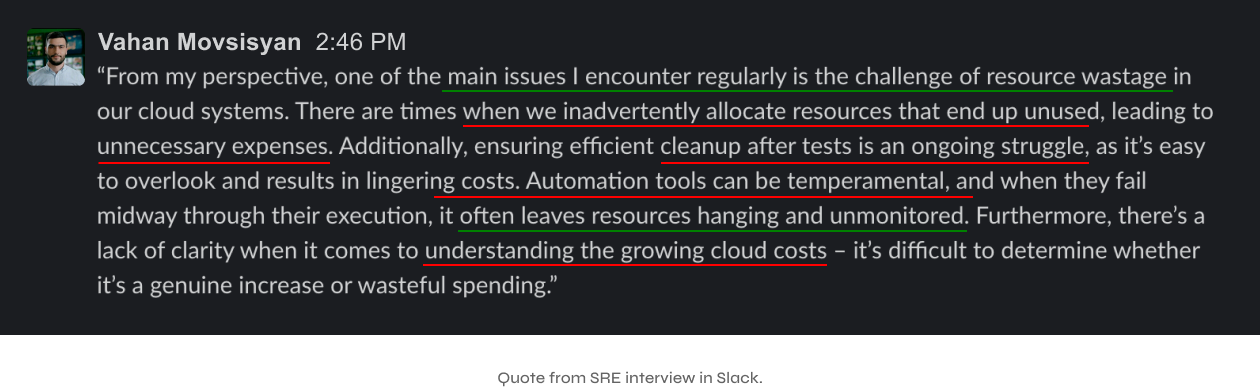
Keywords highlighted from the interview with site reliable engineer. Short answer with lot of insights.
The Problem
Problem Discovered During User Research
We have seen thousands of 💸 per hour in cloud waste paid for over years, simply because:
- Companies waste a large percentage of their cloud cost to pay for resources that are never used.
- Developers forget to clean up after tests.
- Automation tools fail in the middle of execution and leave cloud resources running.
- Finance and business teams lack the context to know whether growing cloud costs are necessary or waste.
Based on personal research and interviews with the company’s founders and key stakeholders, there is a clear need for a strong cost-optimization platform that can address thousands of dollars in cloud waste every hour.
Competitor Analysis
When looking at other companies in the field, I did two kinds of analysis: direct and indirect competitors.
For direct competitors, I looked at companies with products or services similar to ours: what they offer, how much they charge, and who they target. This showed where CloudChipr was stronger and where it still needed work.
- CloudHealthby VMware
- ParkMyCloud
- Densify
- CLOUDZERO
- CloudCheckrNow part of Spot by NetApp
Indirect competitors were different. They might not do exactly what we do, but they can still pull customers away. I researched them to understand their potential impact on the market.
- Deloitte.
- RIGHTSCALE
- SCALRCLOUD MANAGEMENT
- CloudBoltsoftware
- aws
- Google Cloud
- Azure
I read reports and studied what customers say online. That revealed what people value and what frustrates them about existing products.
I also reviewed the technology they use and the distinct features they offer.
Together, this helped define where CloudChipr could stand apart instead of becoming another generic cloud-cost tool.
Competitors
- No self-service setup
- No predictable price
- Legacy, consulting-based approach
- Focused mainly on one cloud provider
- Deep engineering knowledge required to maintain and operate
- Limited functionality

- Easy to set up
- Flat price
- Set up and forget
- Hybrid cloud
- No engineering knowledge required
- Open-source engine
To Design or Not to Design system?

The company asked me to determine whether to license an existing design system or create a new one. Beyond the usual pros and cons, I used a more concrete approach: calculating the Return on Investment (ROI) for building a system in-house. That gave me a clear, strategic way to choose the right direction.
ROI Calculation
- Time saved per project
- 200 hoursNo improvement assumed
- MVP duration before a design system
- 800 hours
- Cost savings from time saved
- 200 hours × $40/hour = $8,000
- MVP duration after a design system
- 600 hoursNo improvement assumed
- Cost of a design system for one project
- $20,000
- Average designer/developer rate
- $50/hour
Total ROI for one project
ROI = Cost savings − Cost of design-system implementation
$8,000 − $20,000 = −$12,000
- Stylish
- Not expensive
- Intuitive customization
- Dedicated to accessibility
- Has all necessary components
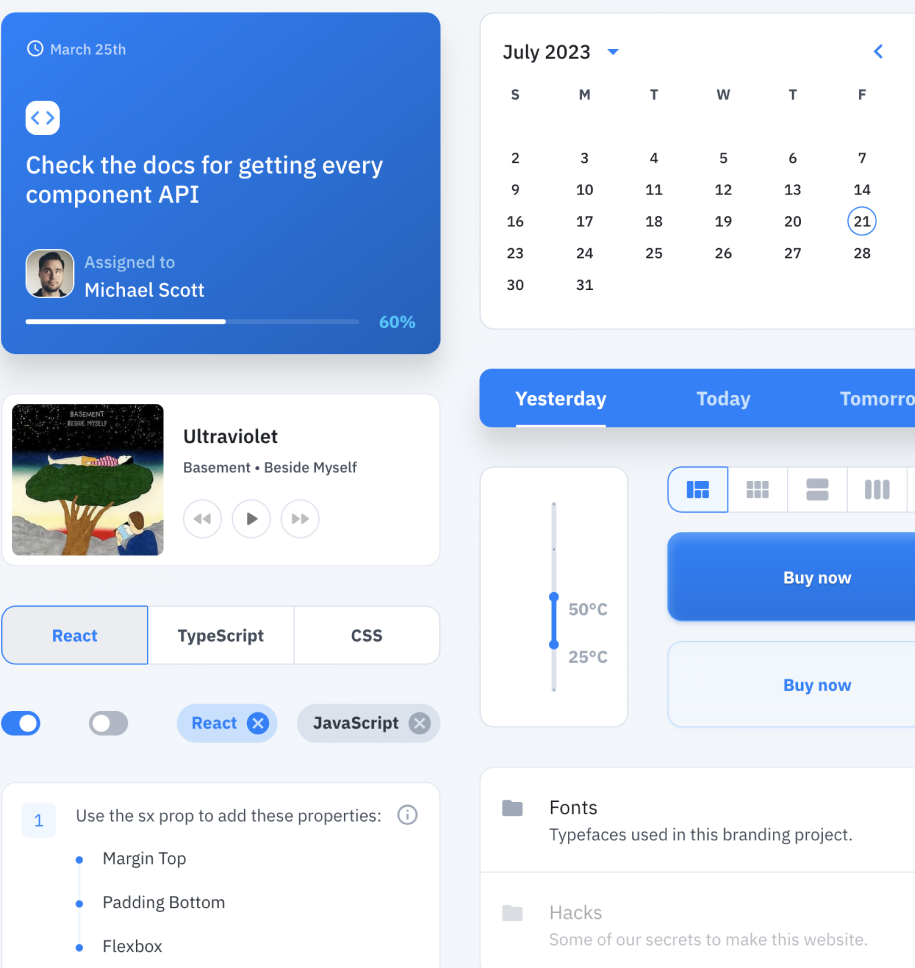
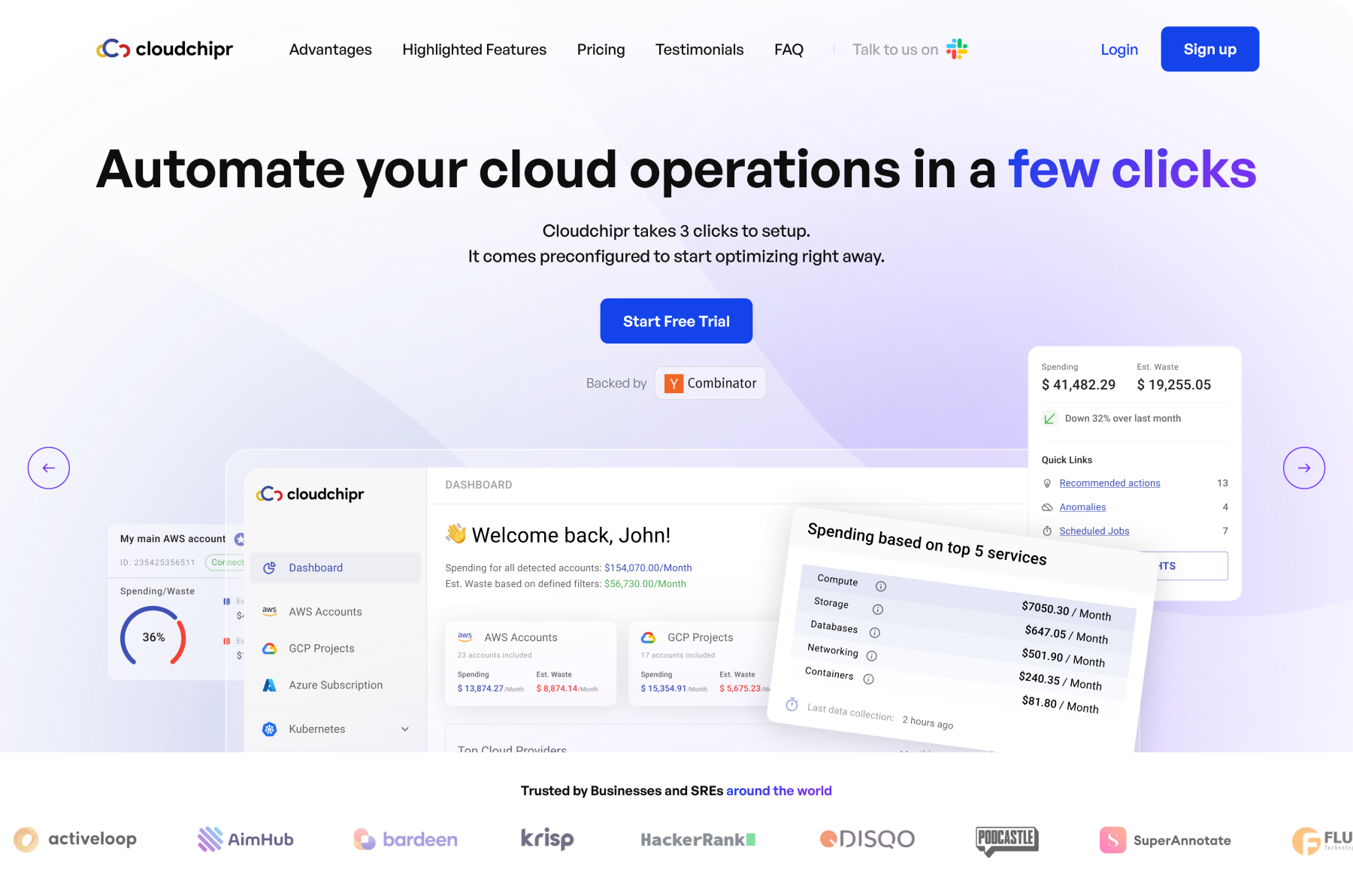
Automatically optimize cloud costs using FinOps best practices
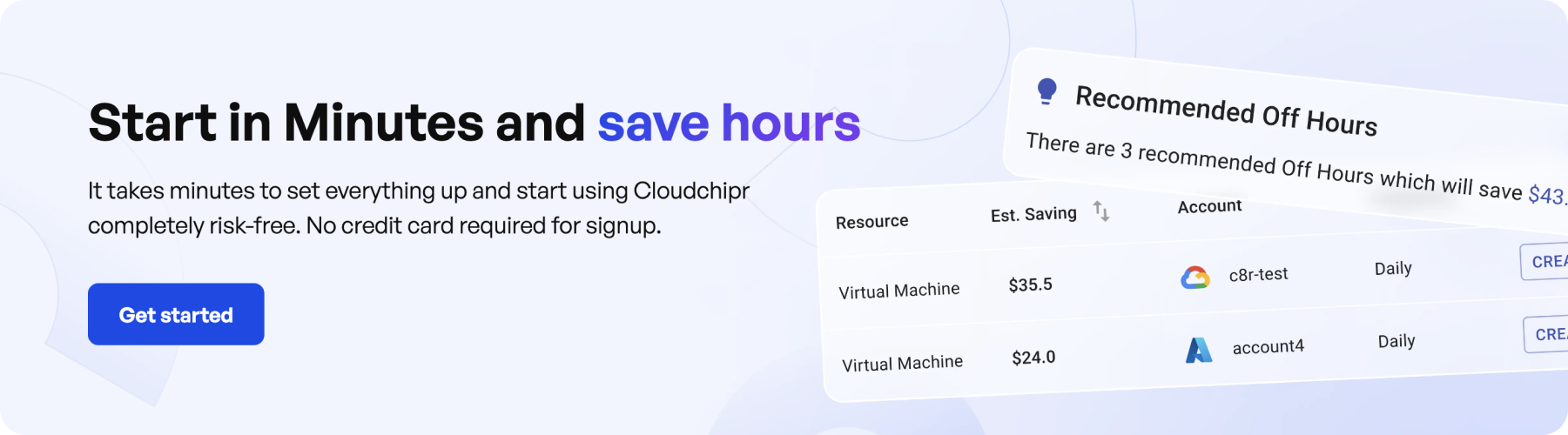
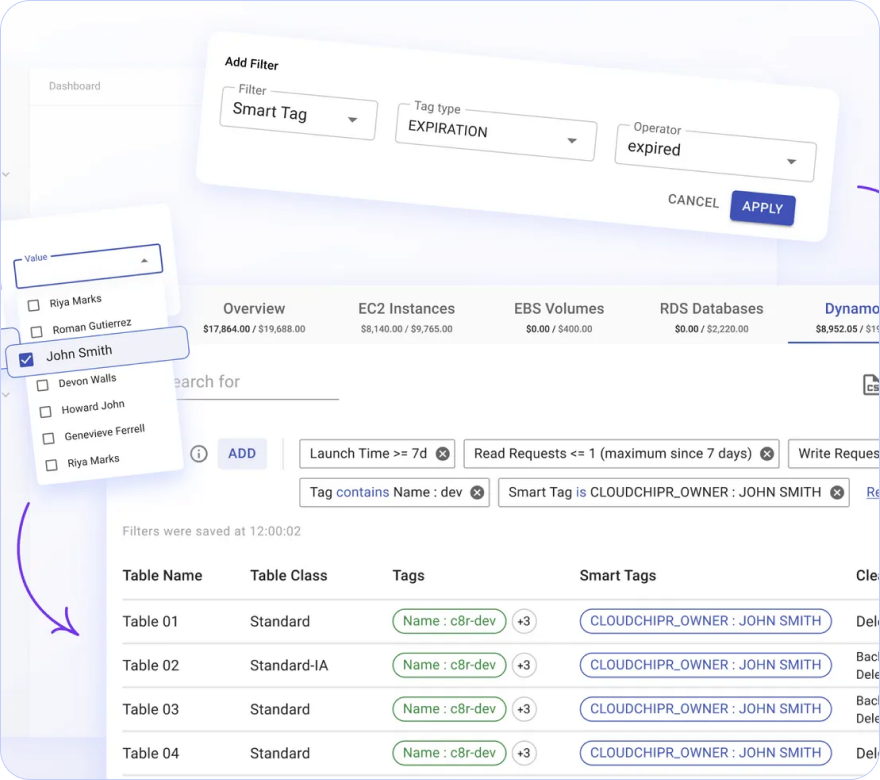
Designed to remove friction between engineering and finance






Company-reported impact at the time I left
 $50M+Total cloud savings reported
 $1.2M/per yearAverage annual customer savings reported
 200h+Average engineering time saved
Case study outcome
What I delivered
From early validation to an MVP and product design practice that could grow with the company.
Early validation
- A beta client reduced cloud spending by 30%, against an 8–15% target.
- $500K in savings was recorded during testing with companies including SuperAnnotate, ActiveLoop, and Flux.
Product and leadership
- Defined and designed the product MVP in six months.
- Progressed from solo designer to design lead over an 18-month engagement.
- Built and led a four-designer team, establishing the product design practice.
Feedback
Davit's journey within my company is impressive. He started as a solo designer and quickly rose to the position of Design Lead by recruiting and mentoring junior designers. He also took charge of creating the MVP for CloudChipr, showcasing his comprehensive understanding of the product. In his two years here, Davit consistently exhibited patience and responsibility. Truly invaluable member of my team.

Holy hosting!
That’s a lot of wasted money.