
Three talks that do not agree
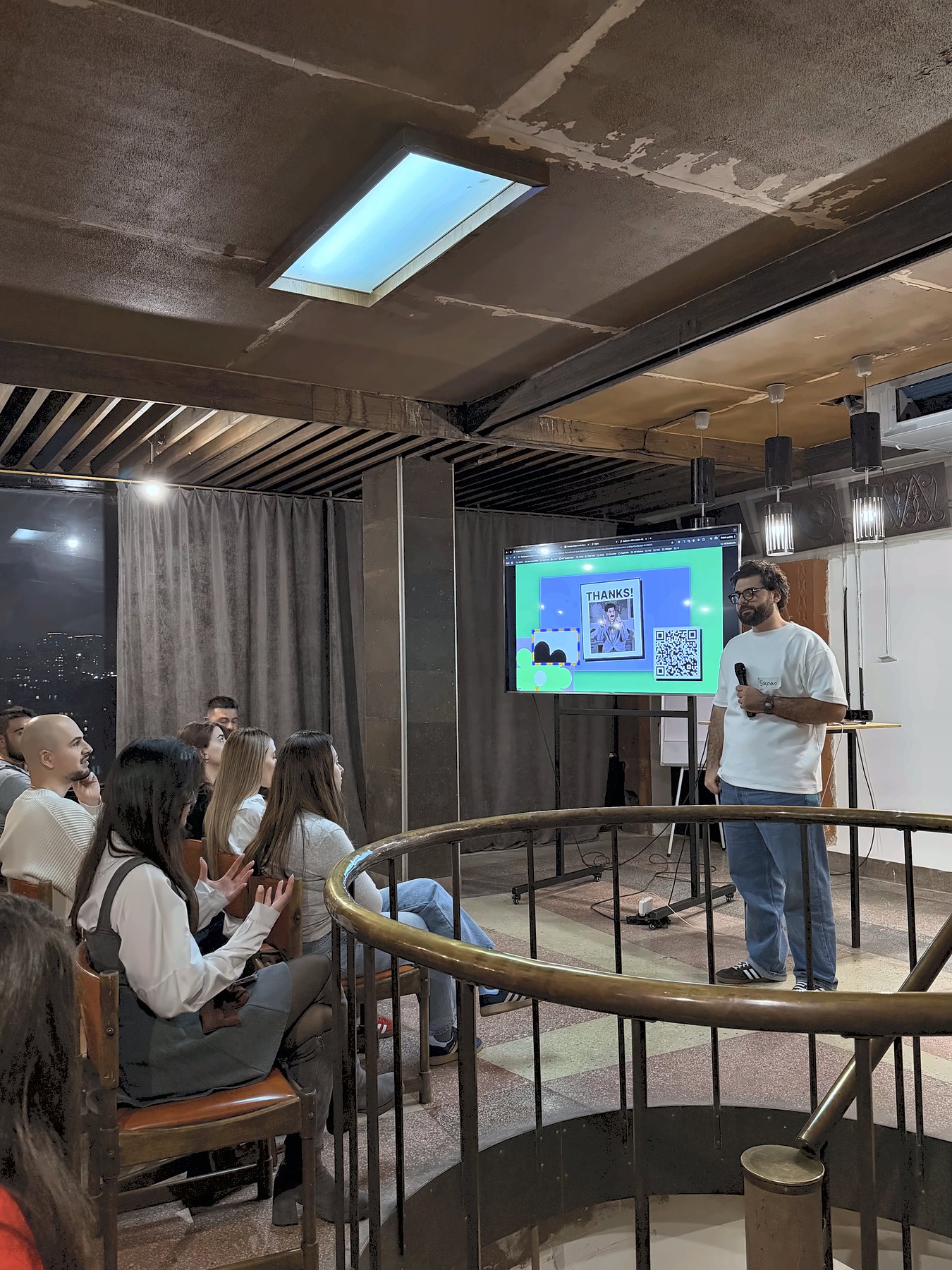
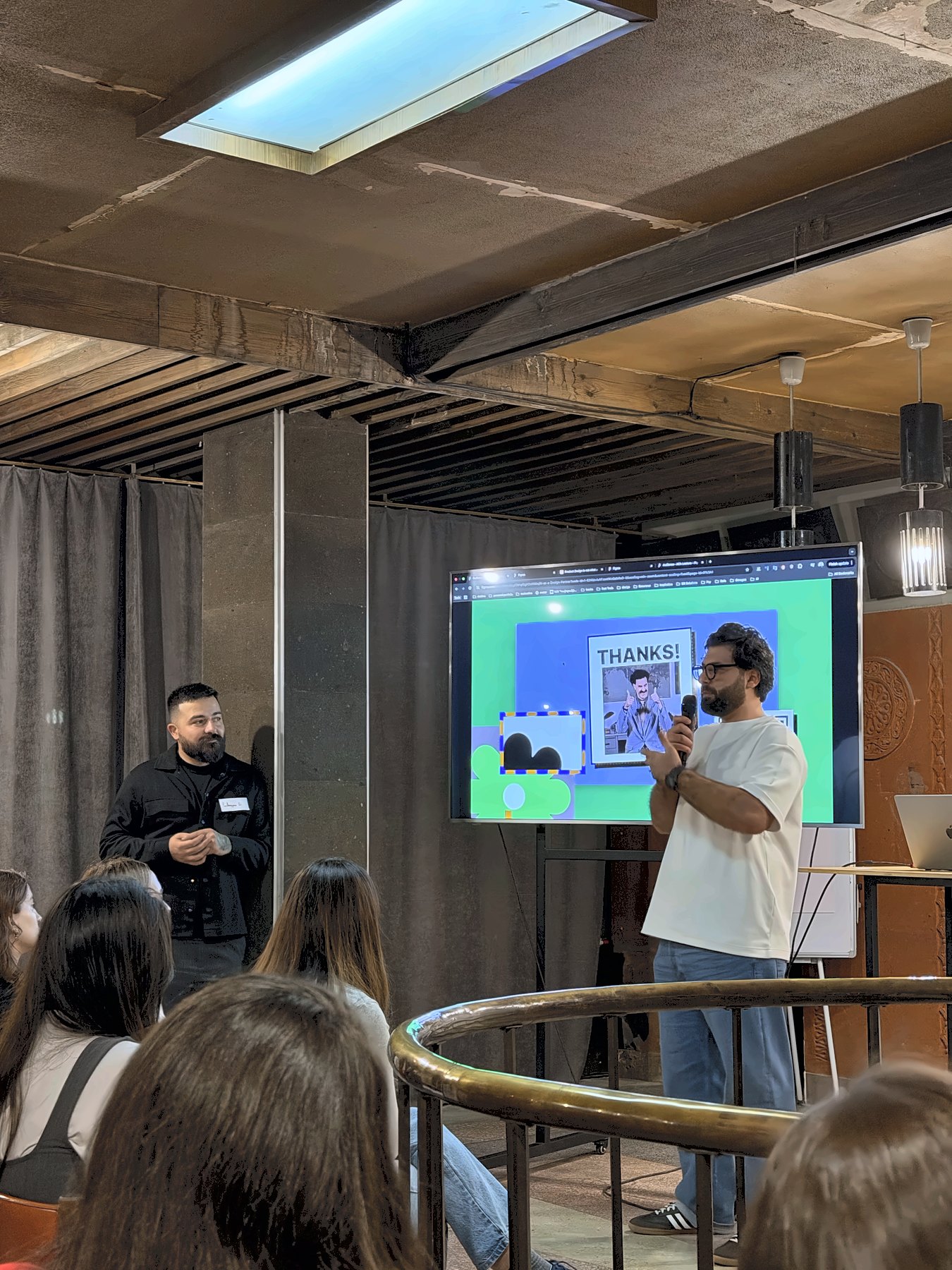
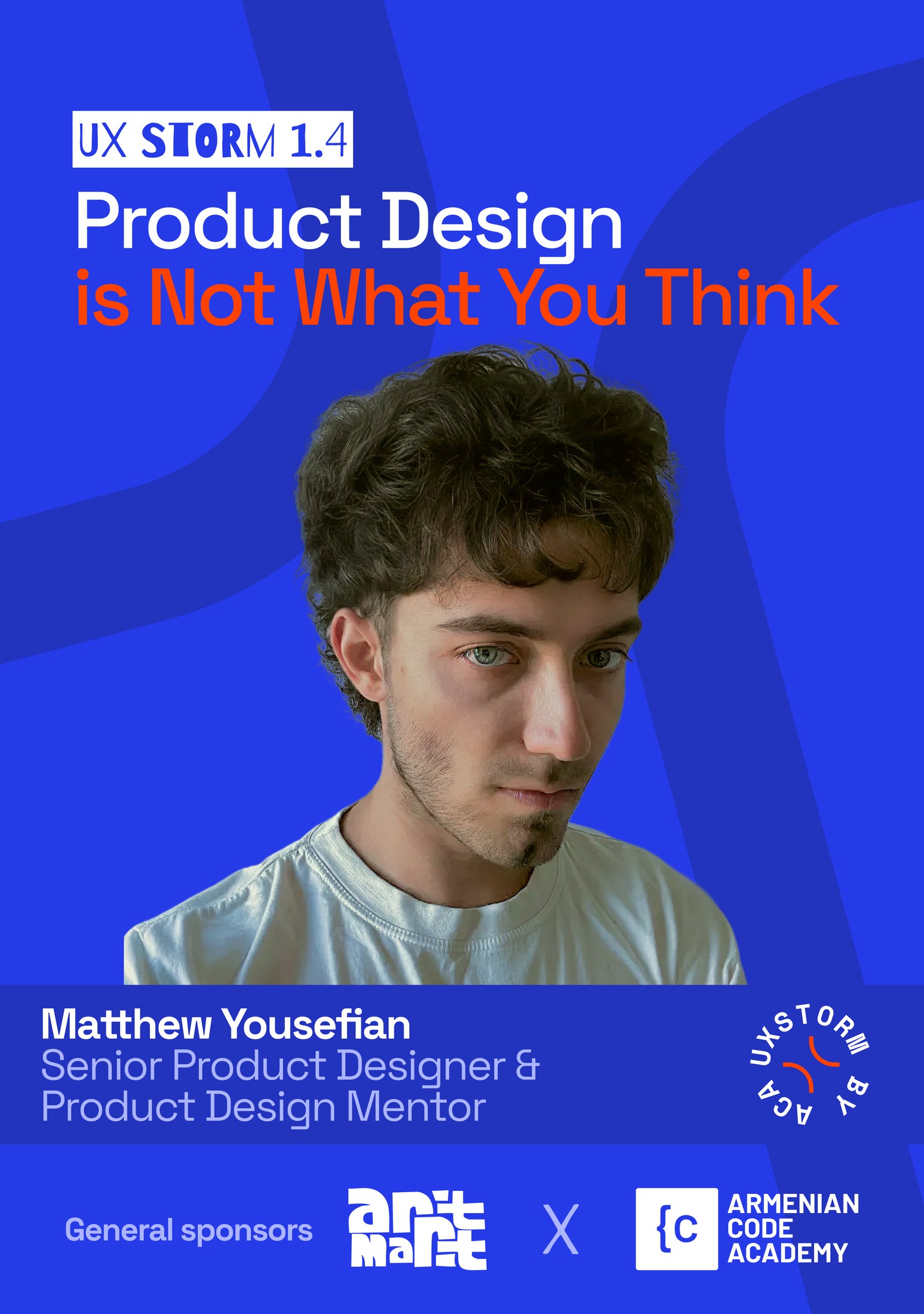
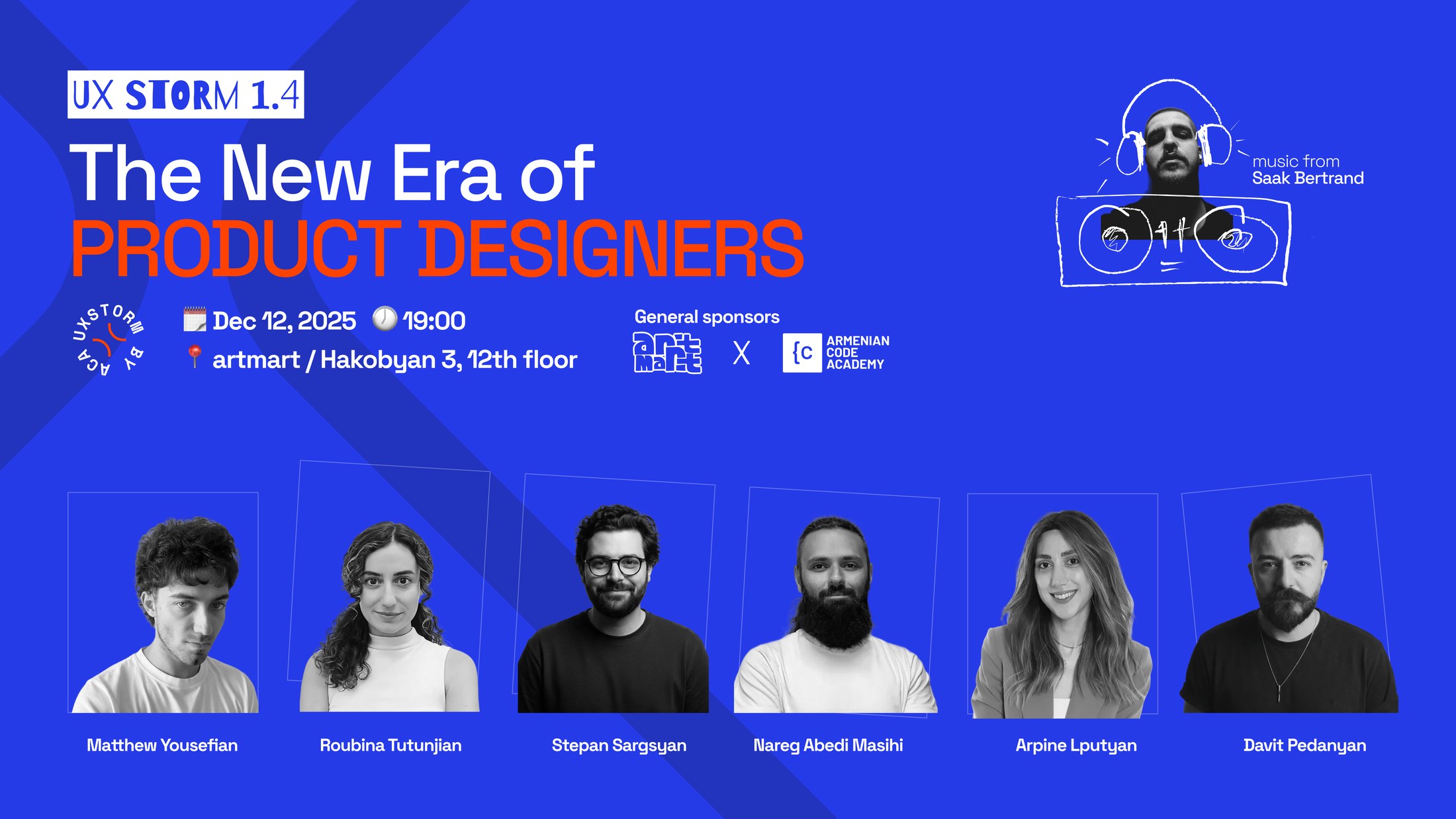
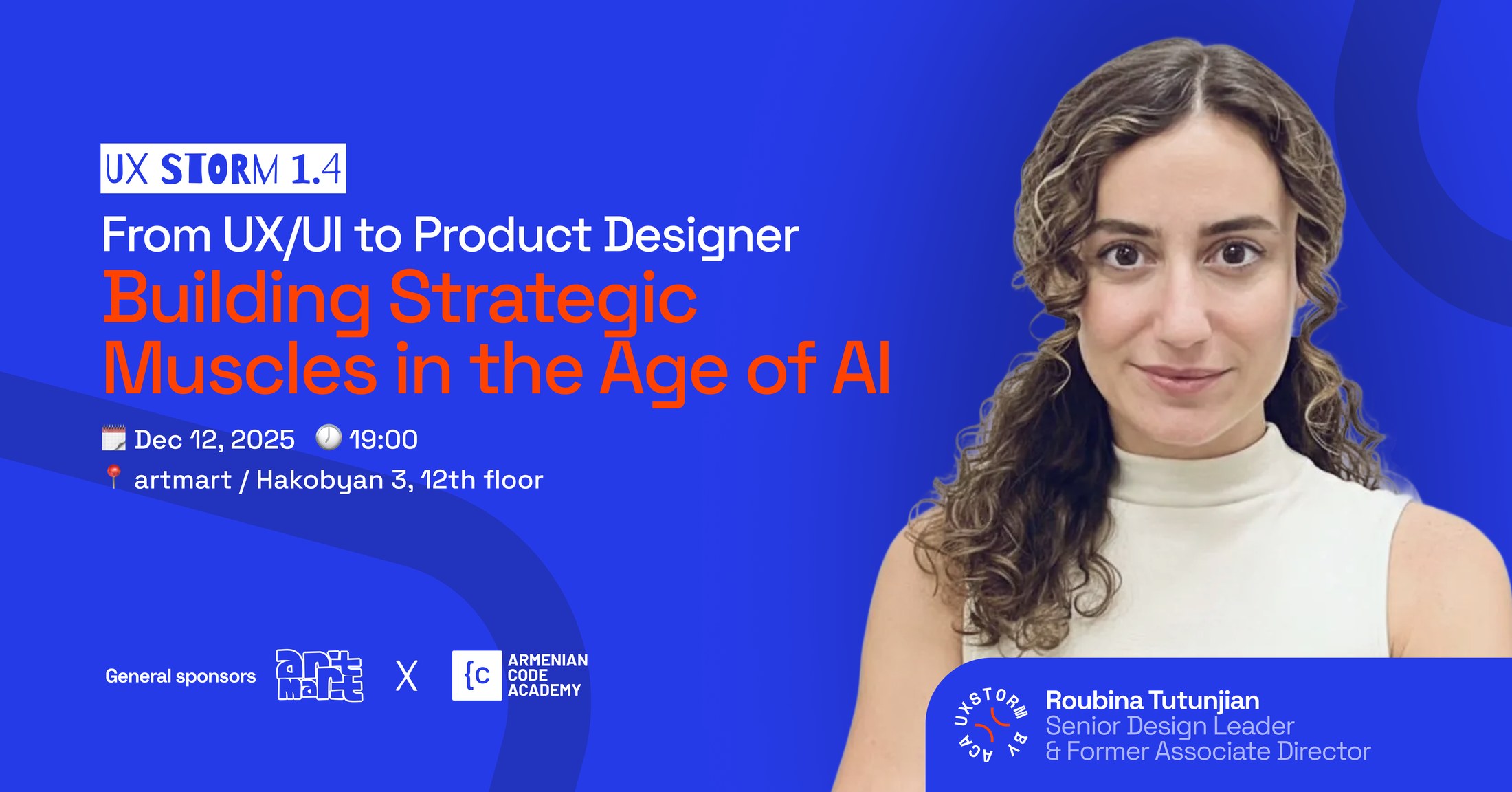
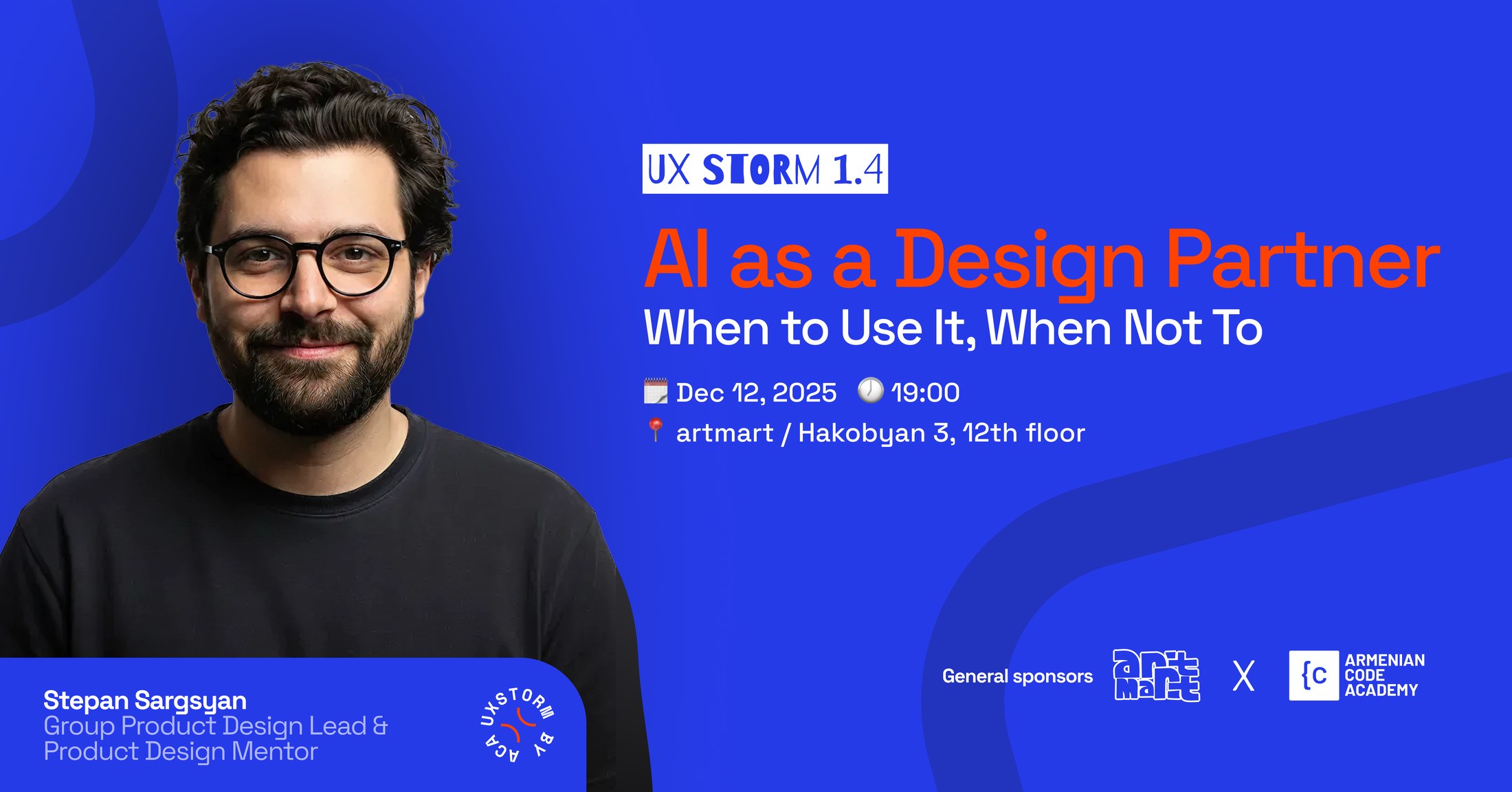
Matthew Yousefian, senior product designer and mentor, opened with Product Design is Not What You Think, an argument that the job most people believe they applied for is not the job. Roubina Tutunjian, a senior design leader, followed with From UX/UI to Product Designer: Building Strategic Muscles in the Age of AI: how a designer moves past executing interfaces into the decisions that set a product’s direction, and why AI raises the cost of never making that move. Stepan Sargsyan, group product design lead and mentor, took the other side of the same coin with AI as a Design Partner: When to Use It, When Not To.
Stepan’s framing was the one the room needed. Not whether AI is good for design, a question with no usable answer, but where the boundary sits. Prompting is a design skill. So is restraint, so is shared context, and so is noticing when a fast, polished, confident output has quietly detached from anything real. AI will accelerate execution. It will not sign its name to the consequences.
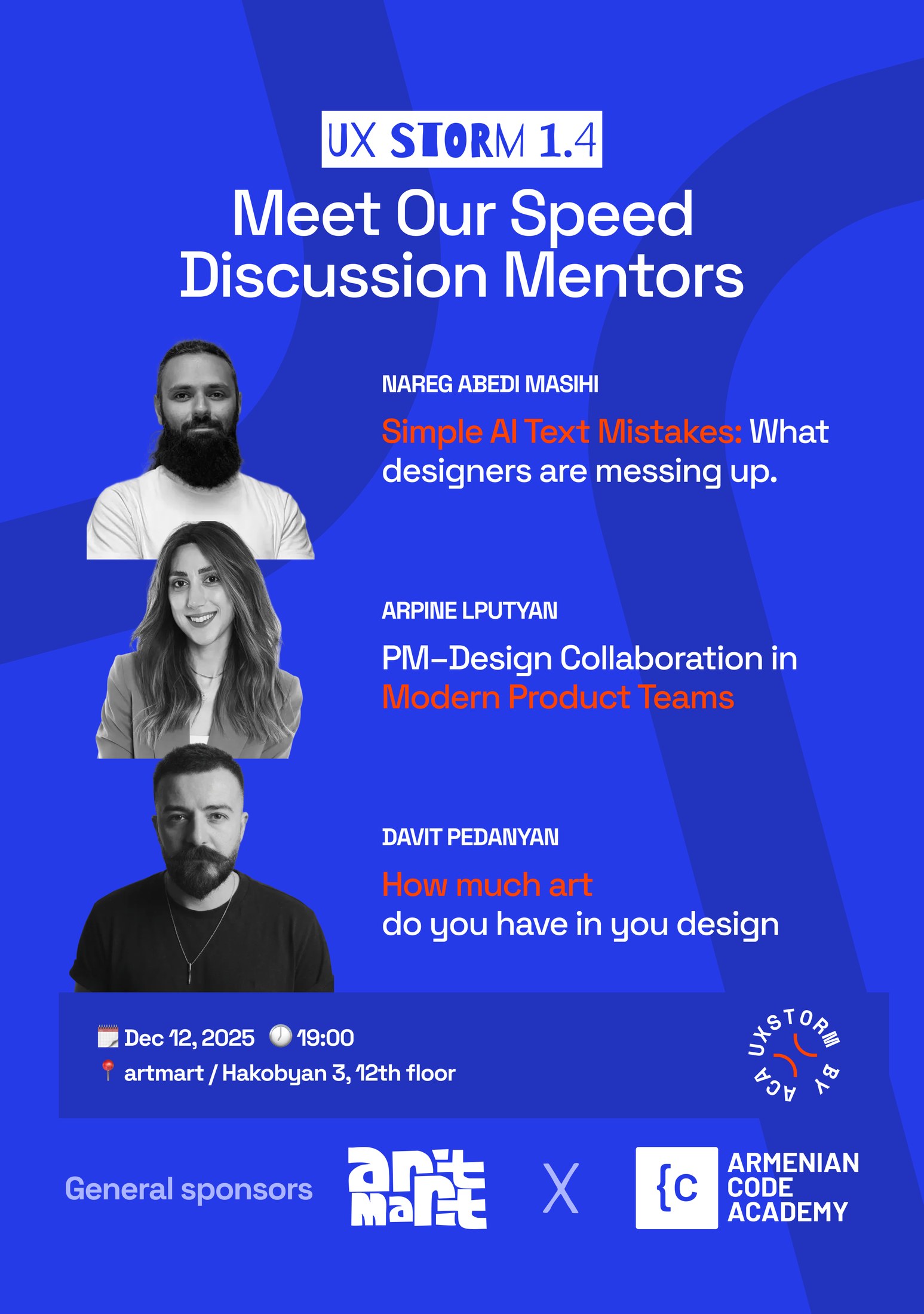
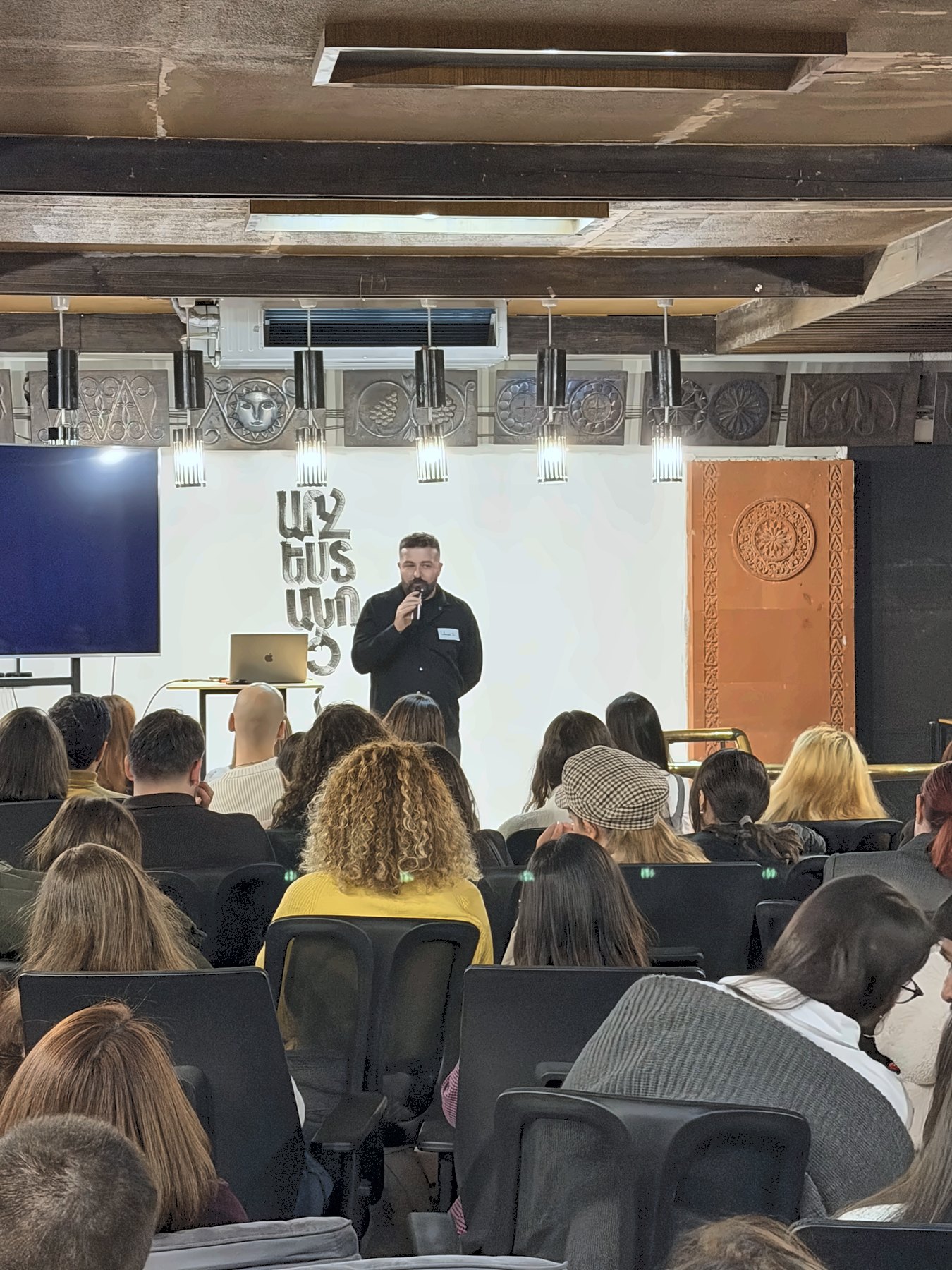
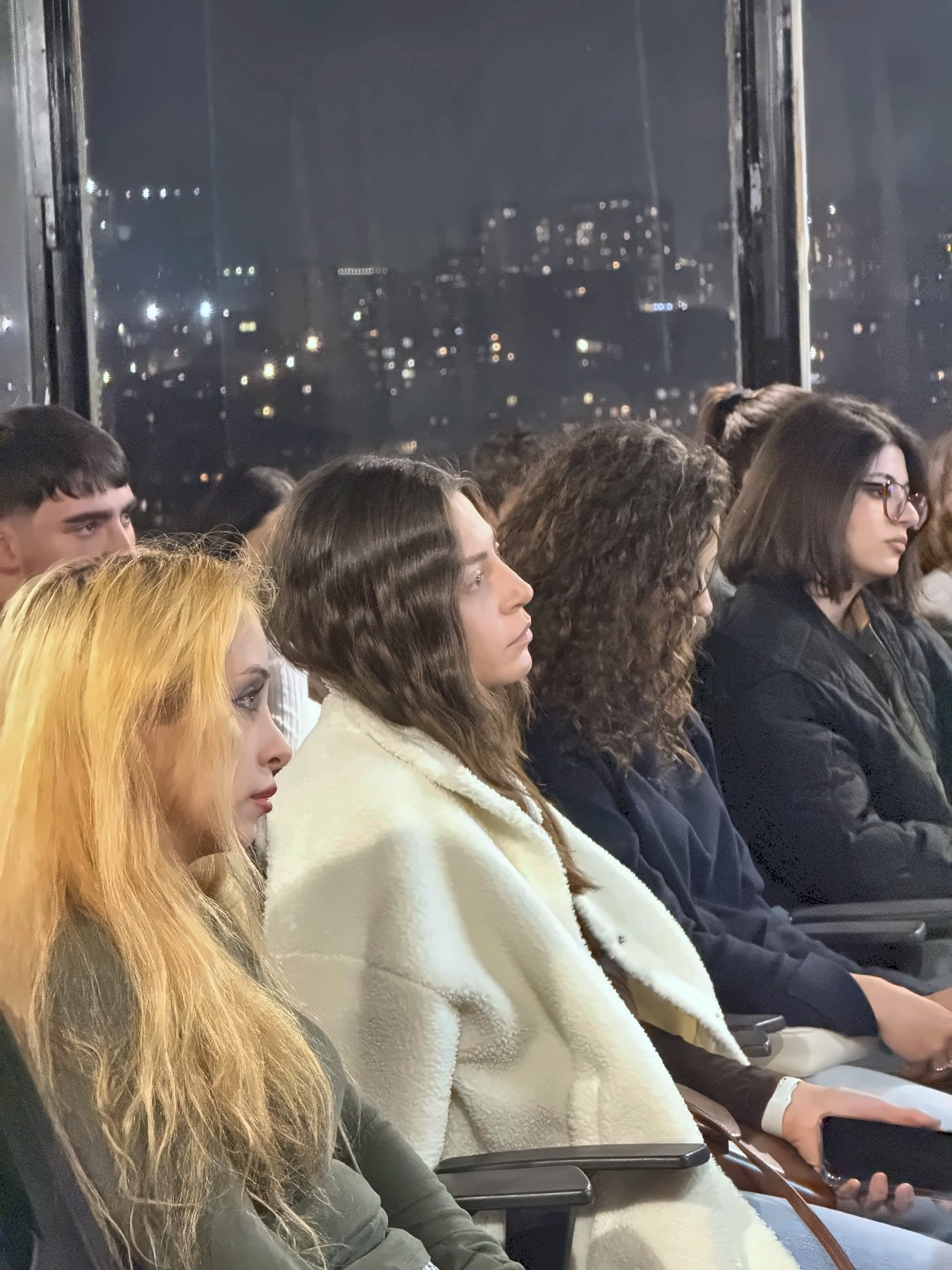
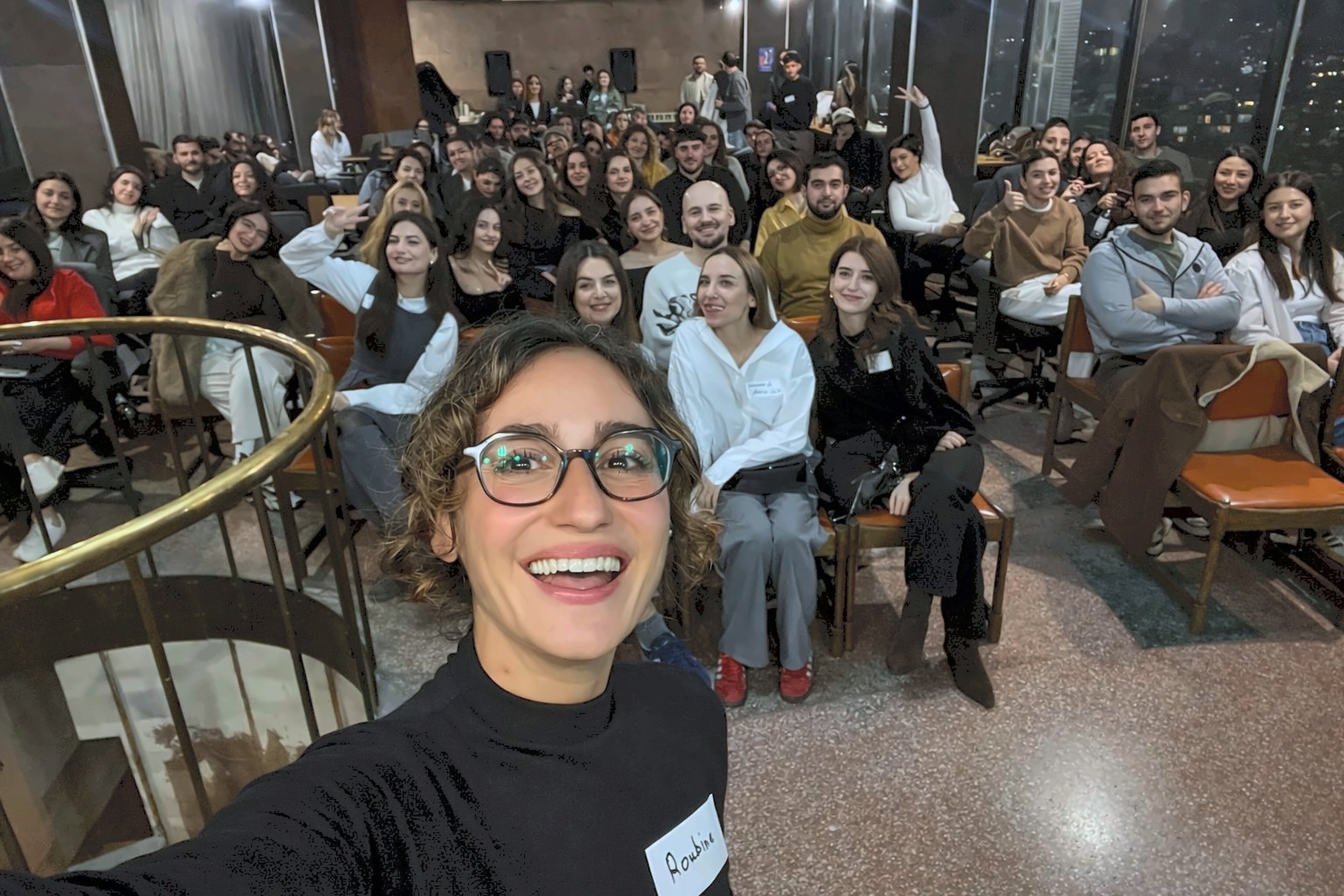
The edition ran on 12 December 2025 at seven in the evening, at artmart on Hakobyan 3, twelfth floor. Entry was free but registration was moderated and closed with a waitlist. The room was built for mid-level and senior designers and product people, which is why the three talks could disagree in public without anyone having to explain the basics first.
Three tables the talks could not settle
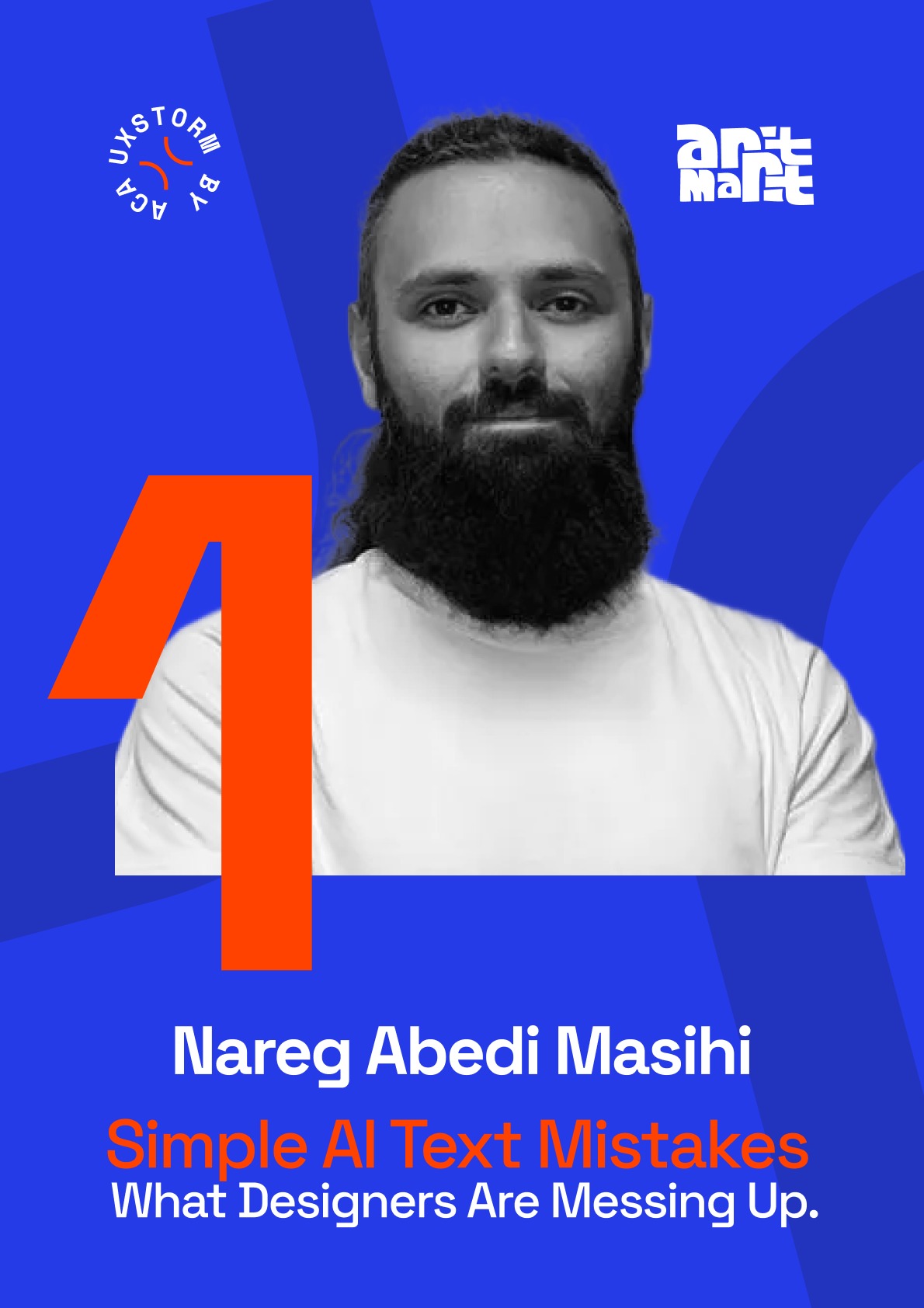
After the talks the room broke into three numbered speed-discussion tables, each led by a practitioner. Nareg Abedi Masihi took Simple AI Text Mistakes: What Designers Are Messing Up. That is the narrow, unglamorous version of the AI question. Not whether the technology is transformative, but the specific ways generated copy is going into shipped products badly right now.
Arpine Lputyan took PM–Design Collaboration in Modern Product Teams, the relationship that decides more about a product’s quality than any tool choice, and the one most teams run on habit rather than design.
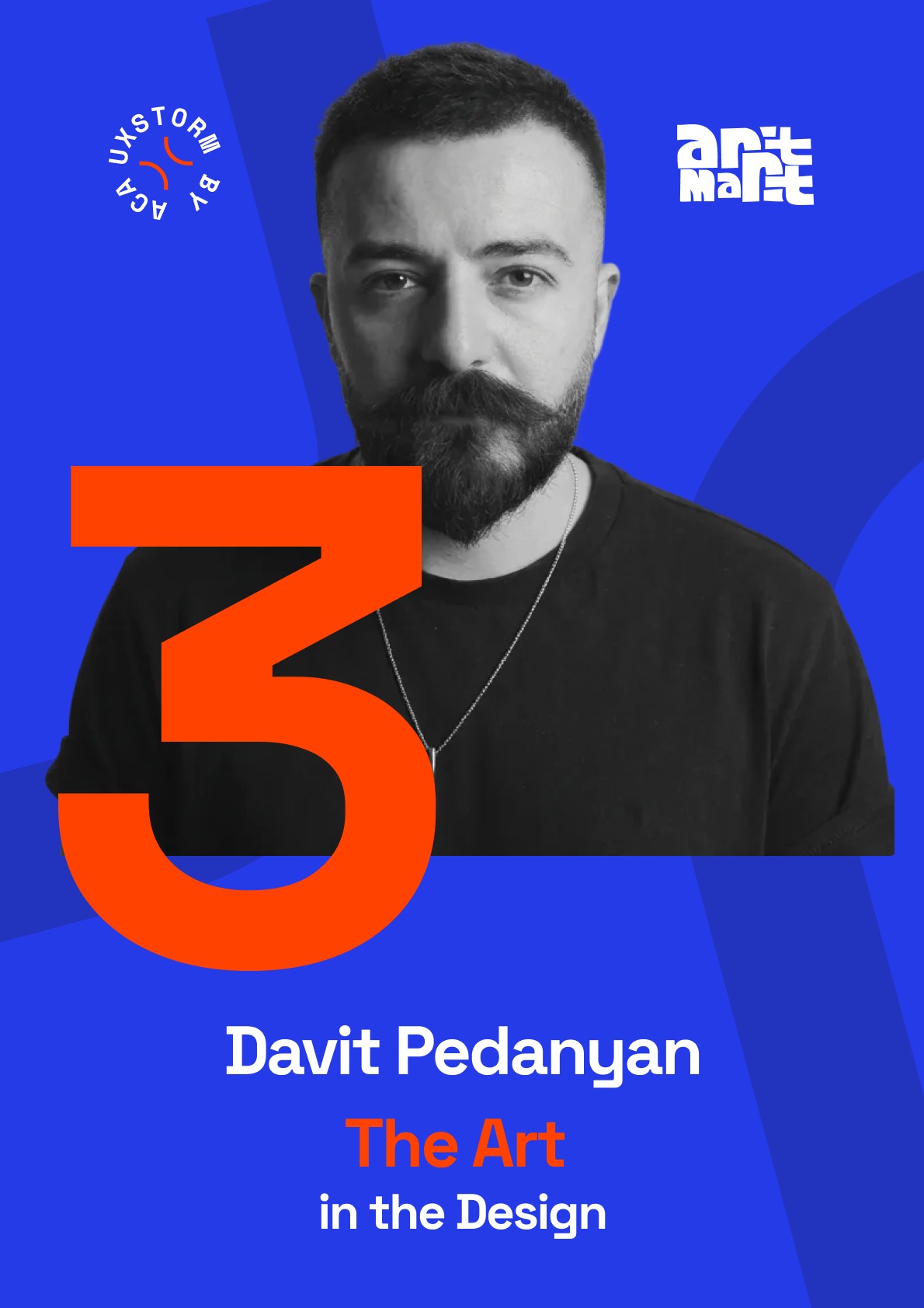
I took the third table, The Art in the Design, deliberately out of step with the rest of the evening. In a programme otherwise arguing about strategy, AI and collaboration, one table spent its time on the part of the work that has no business justification and is obvious the moment it is missing. The tables exist because a talk can only propose a position. It takes a small group with different constraints and different scar tissue to find out whether the position survives contact.
What it takes to put the room together
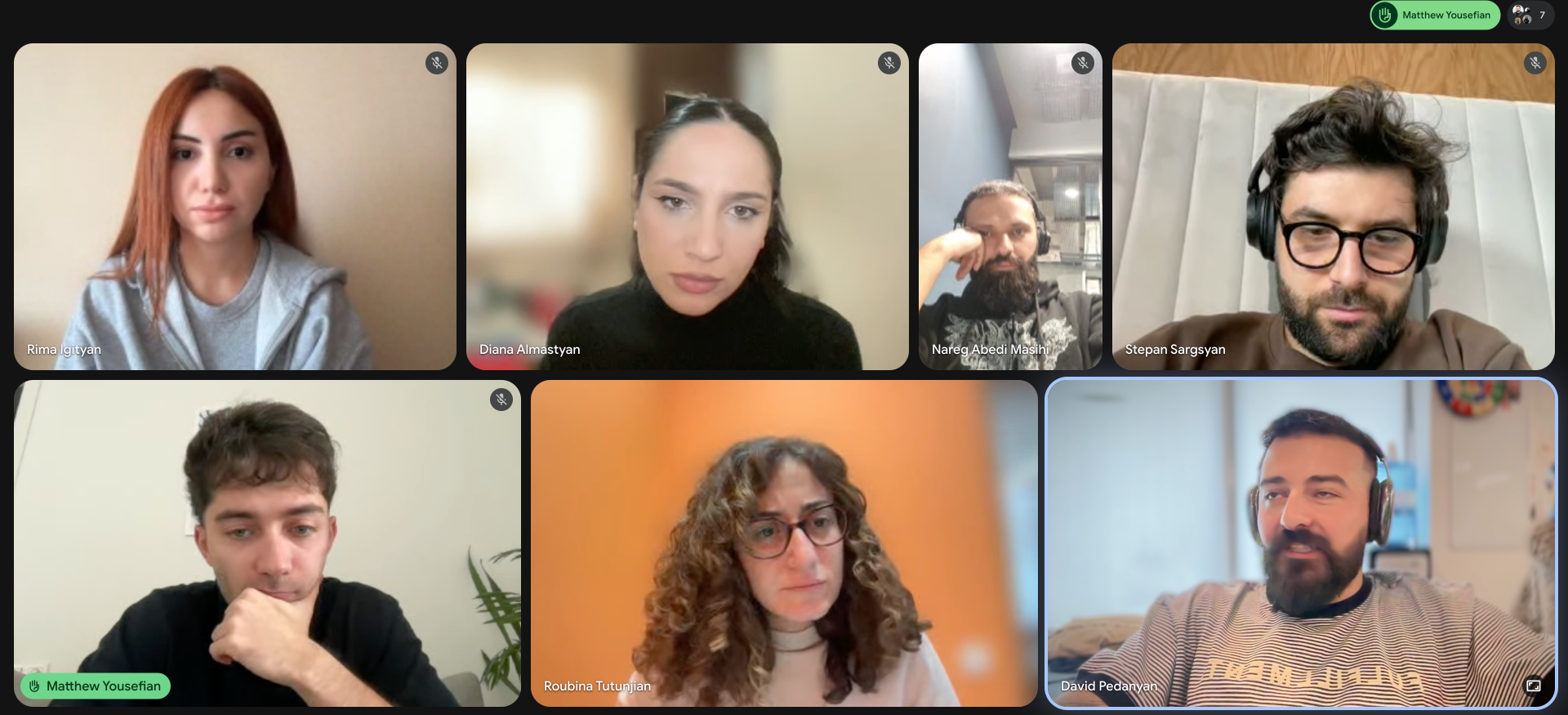
There is a photograph in the gallery that is not from the night. It is a seven-person video call: Rima Igityan, Diana Almastyan, Nareg Abedi Masihi, Stepan Sargsyan, Matthew Yousefian, Roubina Tutunjian and me, with Matthew’s hand raised, waiting his turn.
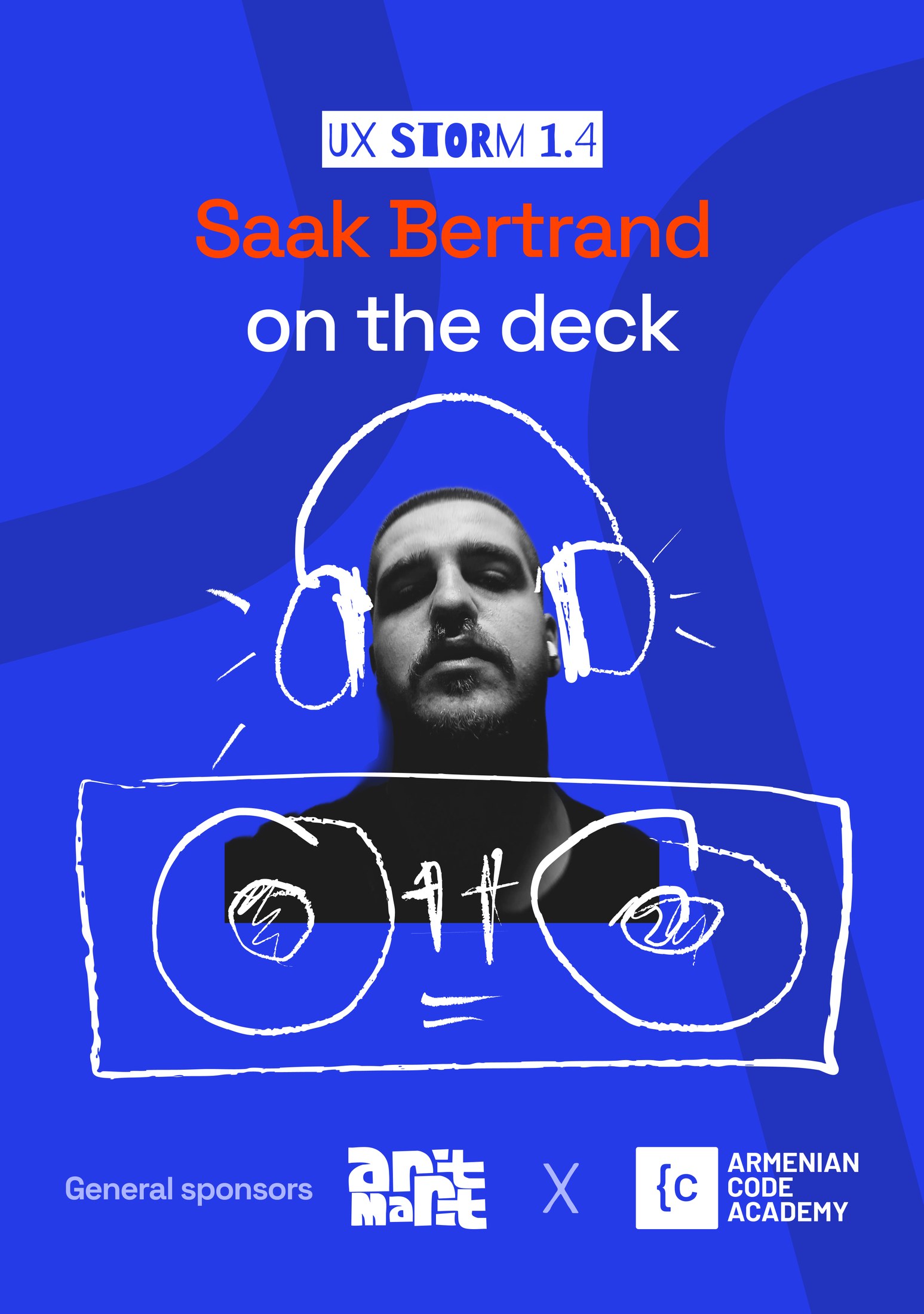
Two of those names are on no banner. Rima Igityan and Diana Almastyan built the edition and stayed off the poster. That call is a more honest picture of what an event is than any stage photograph: weeks of scheduling, arguments about topics and ideas that got cut, so that a room of people can walk in and find it already working. artmart hosted and was general sponsor alongside Armenian Code Academy, which ran the programming. Saak Bertrand played music through the night, which is the detail that keeps a senior-practitioner evening from turning into a conference panel.
Every photograph in this gallery was taken by someone in the audience on their phone. Nobody was hired to document it. That is either a production oversight or the most accurate thing about the evening.