

The chart that quieted the room
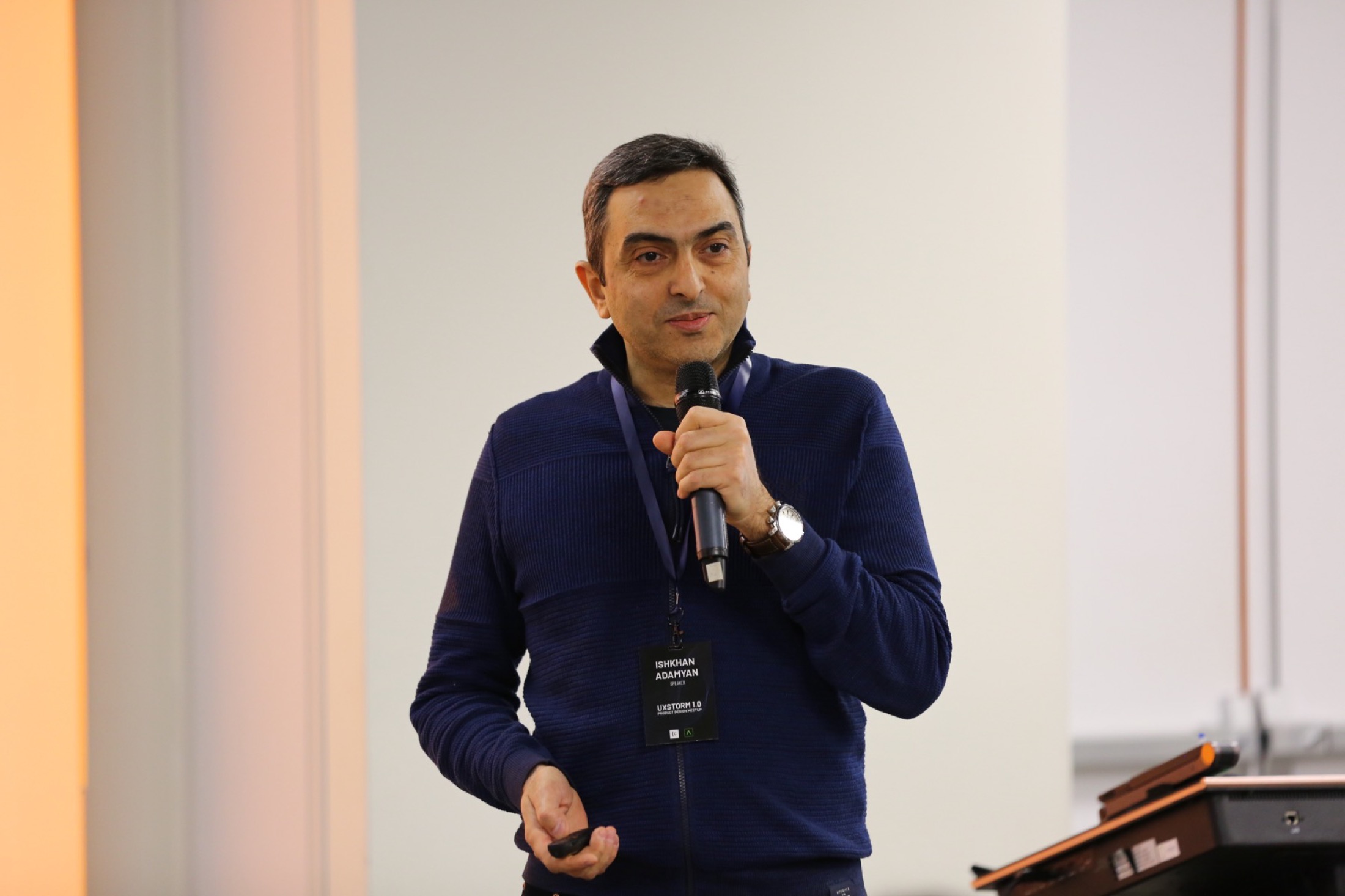
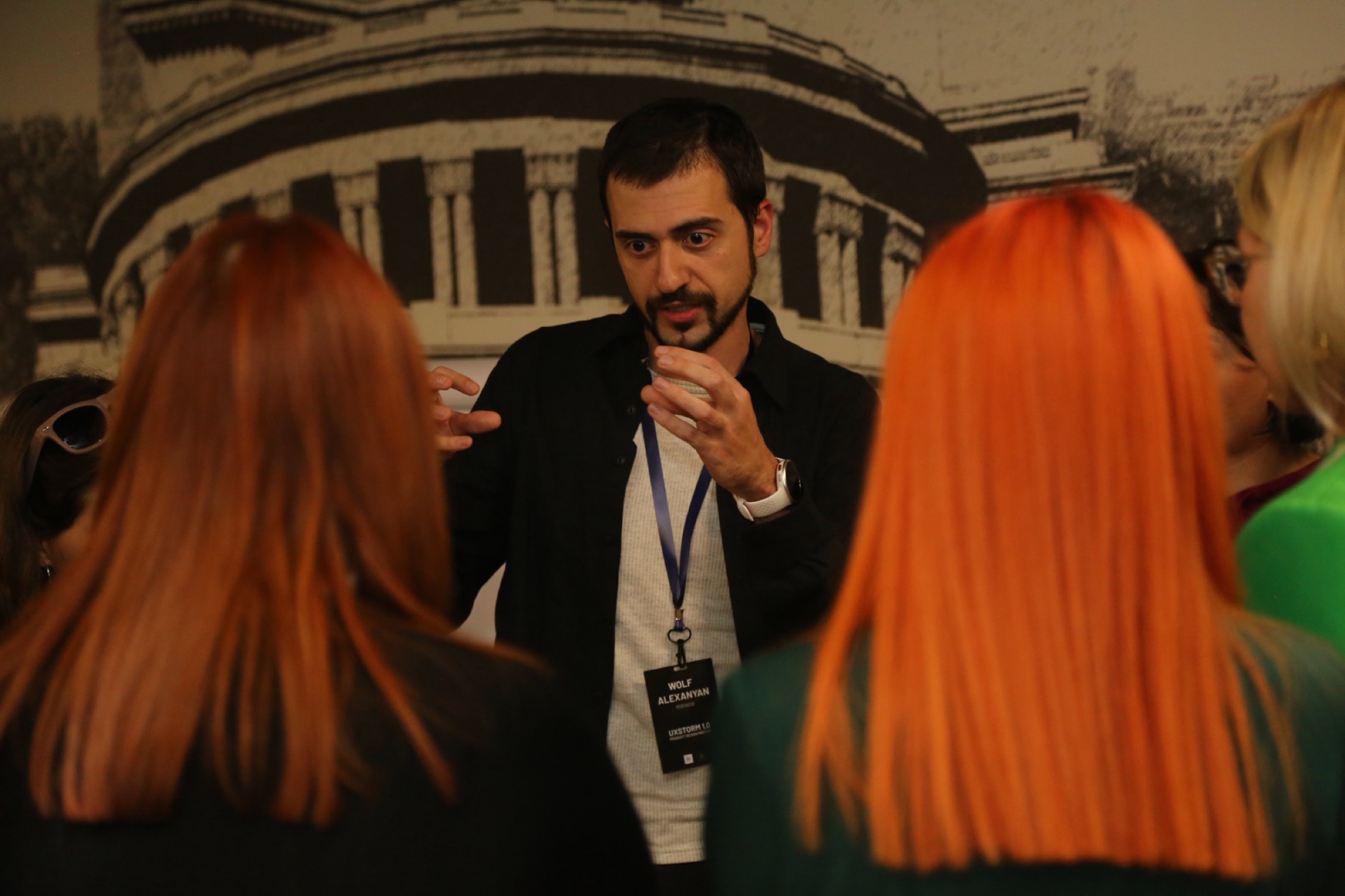
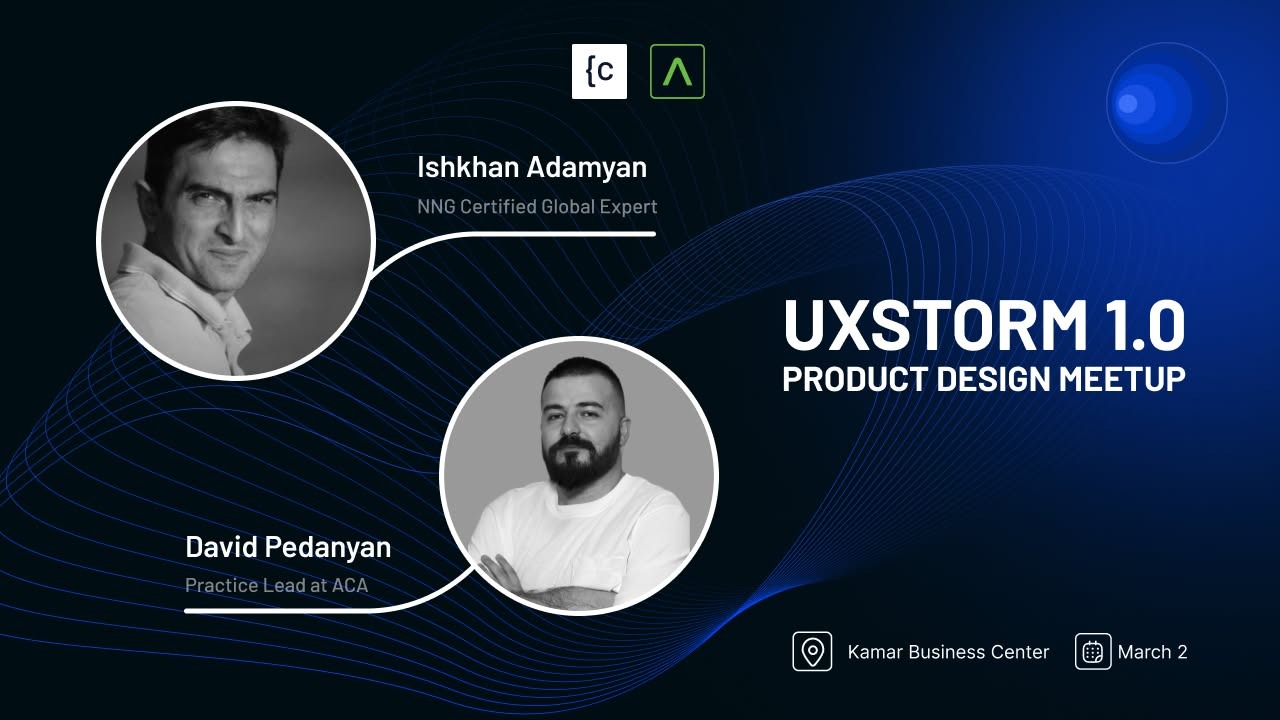
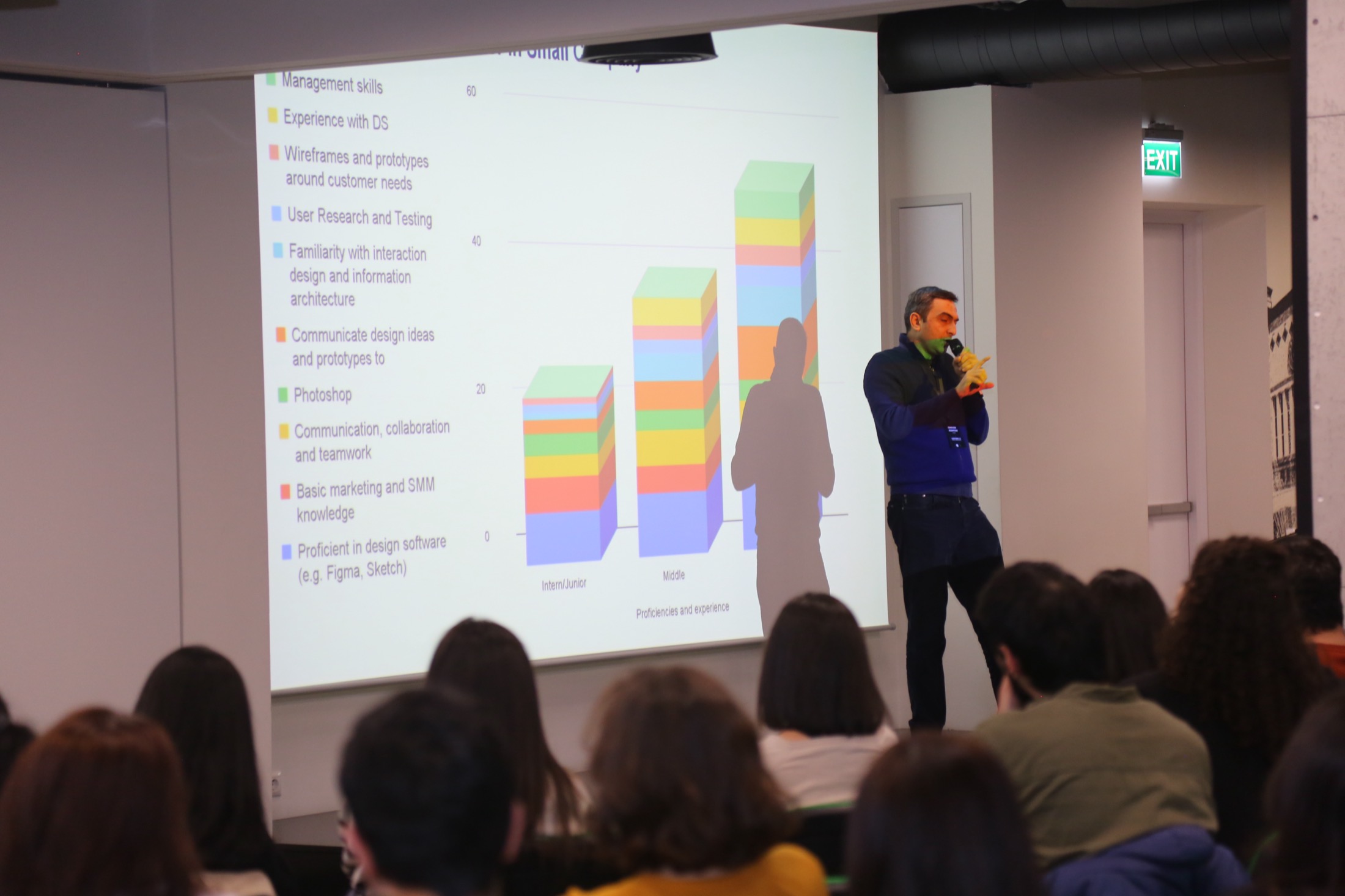
Ishkhan Adamyan — NNG certified, one of the few people in the country holding that credential — put a stacked bar chart on the screen and the room went still. It compared what a small company expects from an Intern or Junior, from a Middle, and from the level above, broken into specific proficiencies rather than job titles: design software, wireframes and prototypes built around customer needs, user research and testing, interaction design and information architecture, experience with design systems, the ability to communicate a design idea, teamwork, management. And near the bottom, sitting there without apology, basic marketing and SMM knowledge.
That last line is the honest one. In a small Armenian company a designer is rarely only a designer, and here it was on a screen in front of a full room instead of being discovered in month three of a job. Nobody argued with it.
This was the reason to build the event. There were plenty of designers in Armenia and very few places where they could compare notes on what the work actually demands.
The talk I gave: mentorship and knowledge sharing
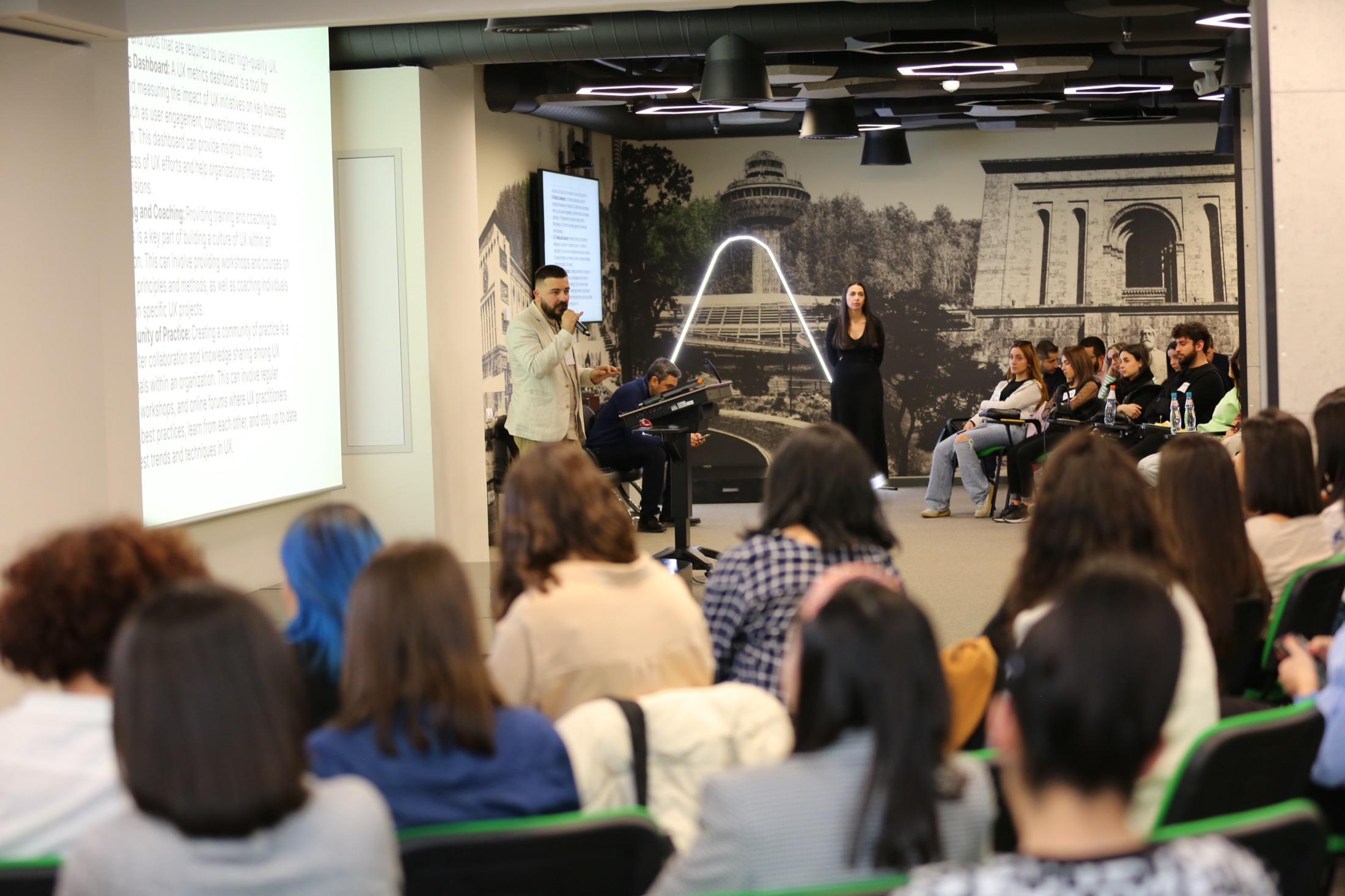
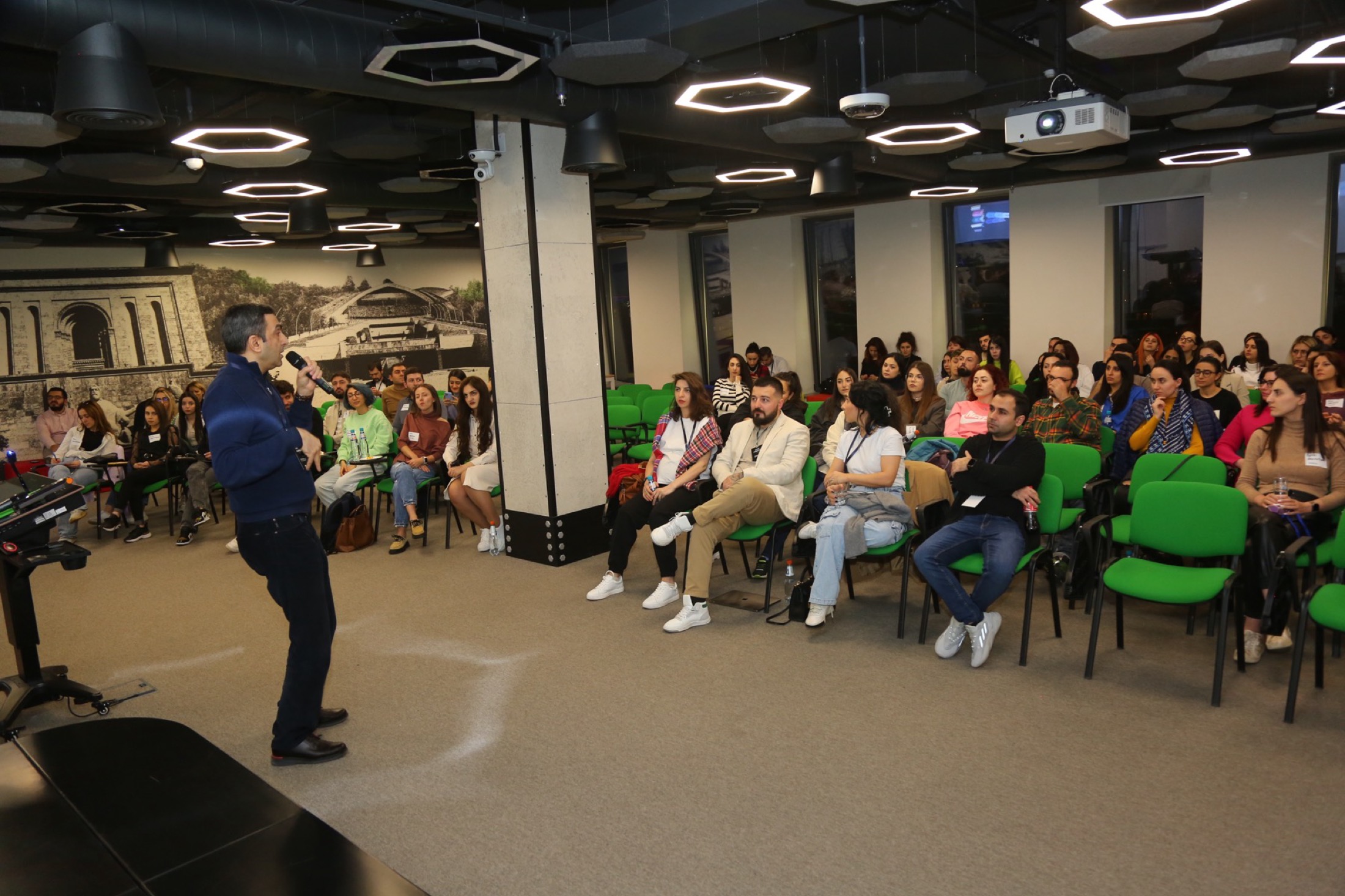
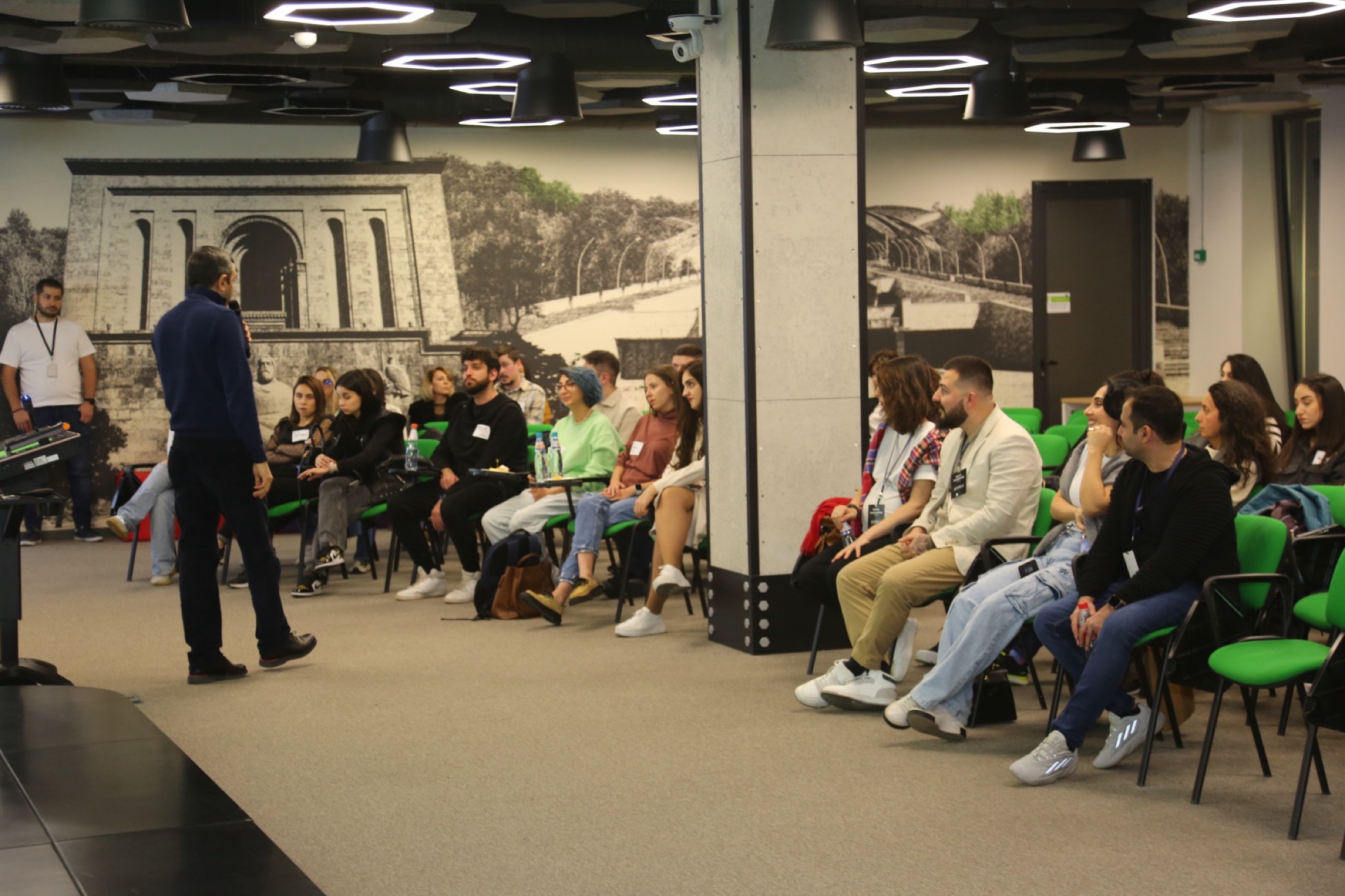
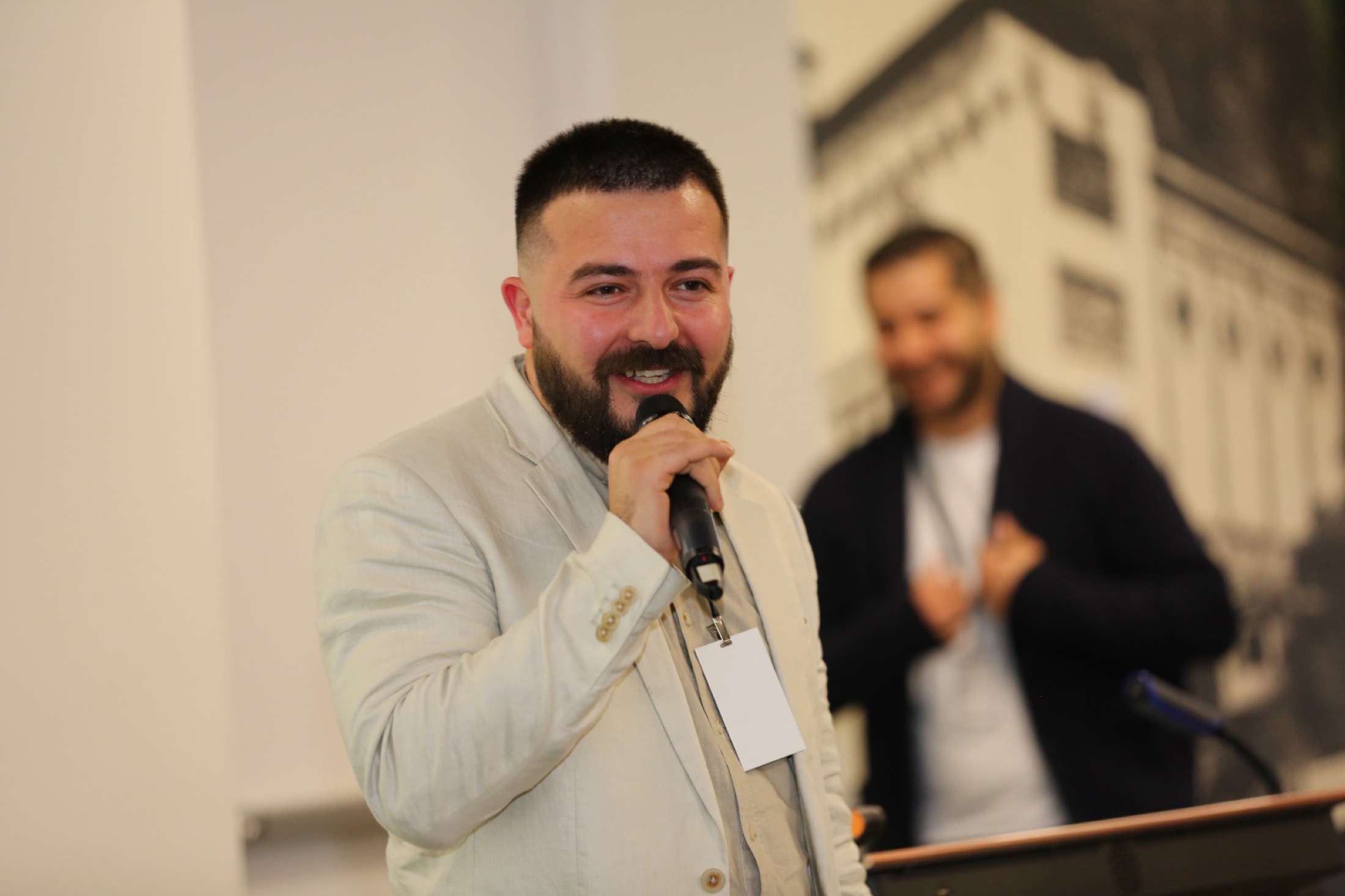
I spoke second, then Design Practice Lead at Armenian Code Academy, and opened with the least flattering fact I had. For the previous four years I had worked in companies with low or approximate UX maturity. I put it on a slide and labelled it a not-very-interesting fact about me. It was also the only reason I had anything useful to say on the subject.
The talk ran on Chapman and Plewes' framework, which sorts organisations into five stages of UX maturity — beginning, awareness, adopting, realizing, exceptional. I put the global distribution on one slide and the Armenian one on the next, because the distance between them was the whole argument.
Underneath it sat five mechanisms, and I would still argue for all five. A maturity assessment, so an organisation finds out where it actually stands rather than where it thinks it stands. A capability framework naming the specific skills required to move up a stage. A metrics dashboard tying design work to engagement, conversion and customer outcomes, because design that cannot be measured is the first thing cut. Training and coaching, on the argument that a UX culture spreads through workshops and individual attention rather than announcements. And a community of practice — the recurring forum where practitioners share methods instead of each quietly reinventing them.
The second half was mentorship, which I treat as a design problem rather than a favour. A mentorship programme has participants, a timeline, goals, assignments and an assessment; decide those five and it works, skip them and it becomes two people having coffee. I also drew a line most of us blur: teaching is structured and one-to-many, tutoring is personal and one-to-few, and knowledge sharing is the broader thing that holds both plus every informal exchange in between.
Then the numbers that made the case. Armenia had somewhere between 1,200 and 1,500 UX designers, of whom roughly 200 were mid-level or above. In the two years before that evening, 320 people had learned UX at ACA alone — a fifth of the country's designers, out of one school. That is the argument for knowledge sharing in a single ratio: the pipeline is being filled faster than the senior end of it is being grown.
I ended on what sharing had given me rather than what it owed anyone: better problem-solving, sharper communication, a wider network, work I was happier doing, and the elimination of my fear of public speaking — which I marked, honestly, as in progress.
Why the format mattered more than the talks
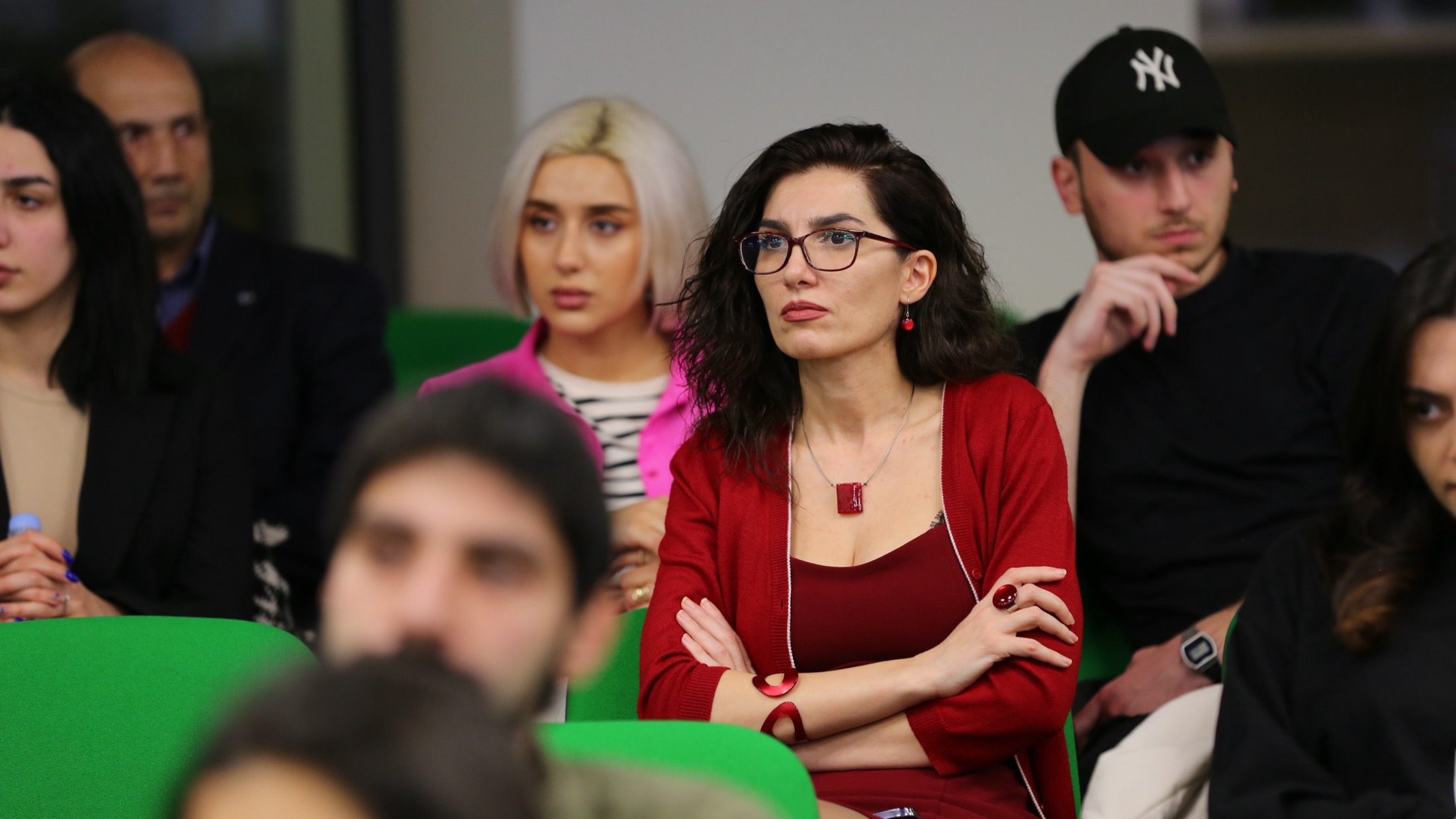
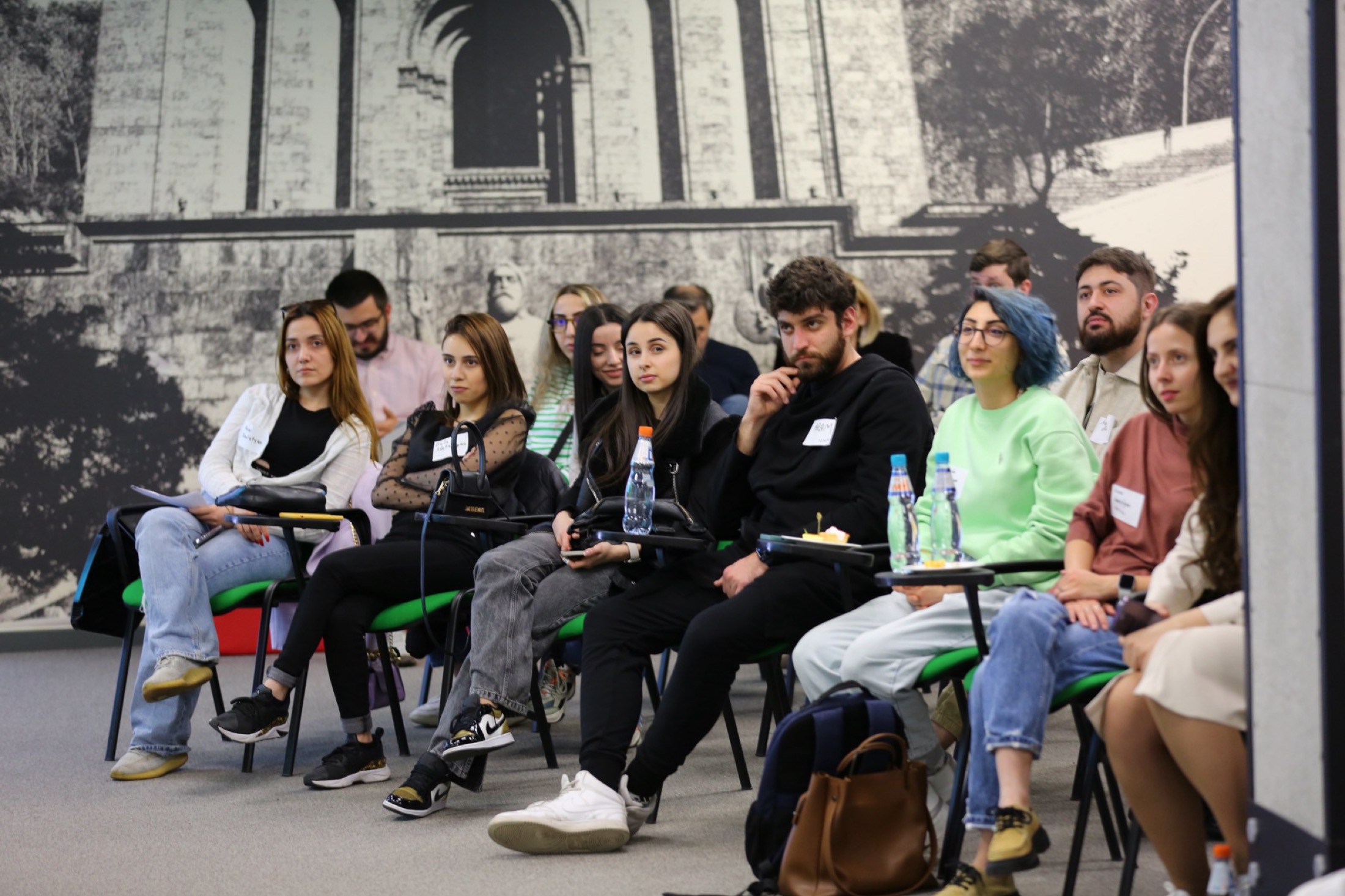
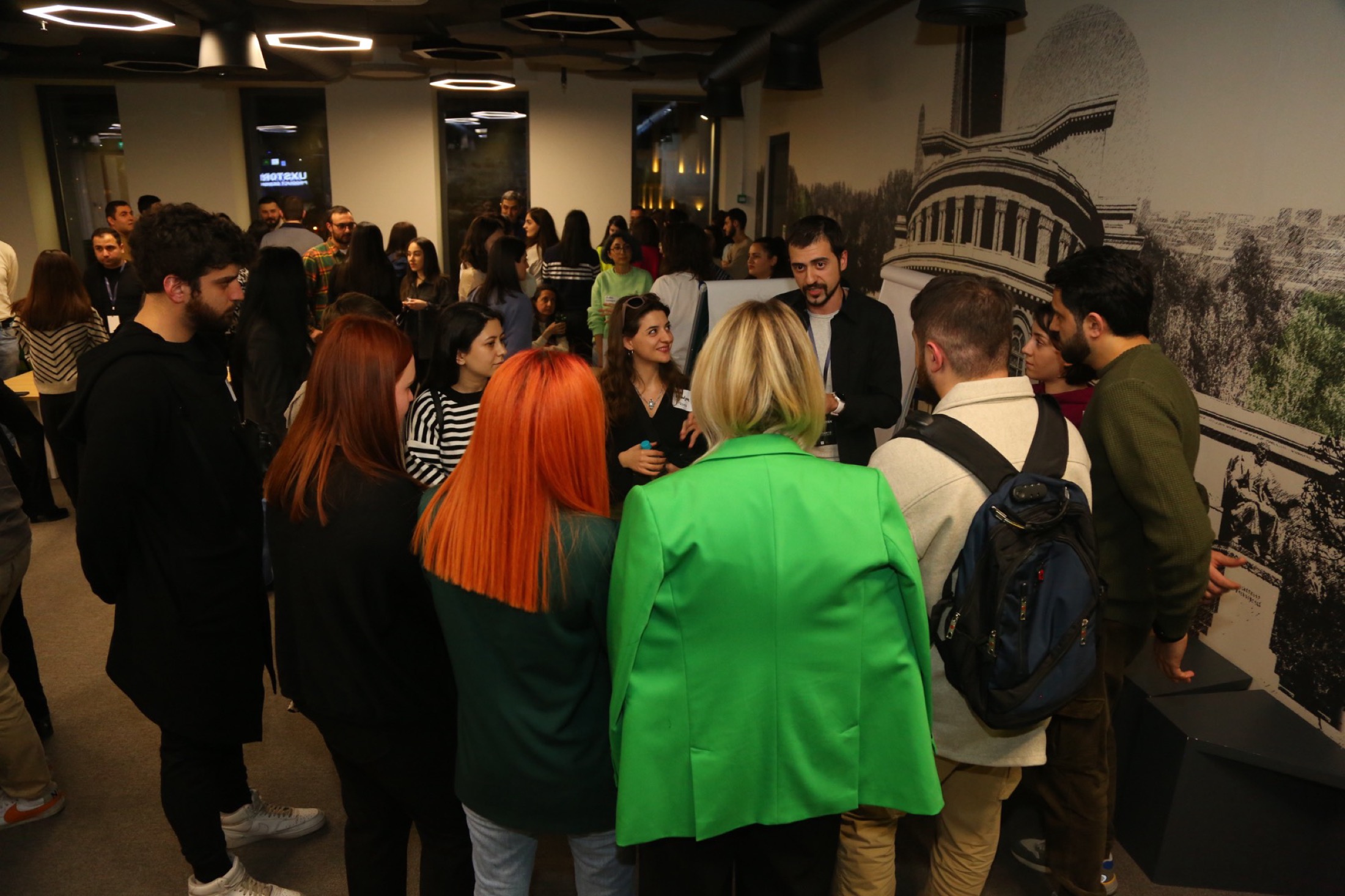
Over 200 people applied. 120 were shortlisted. That ratio is the finding: the appetite was already there, and what was missing was the room.
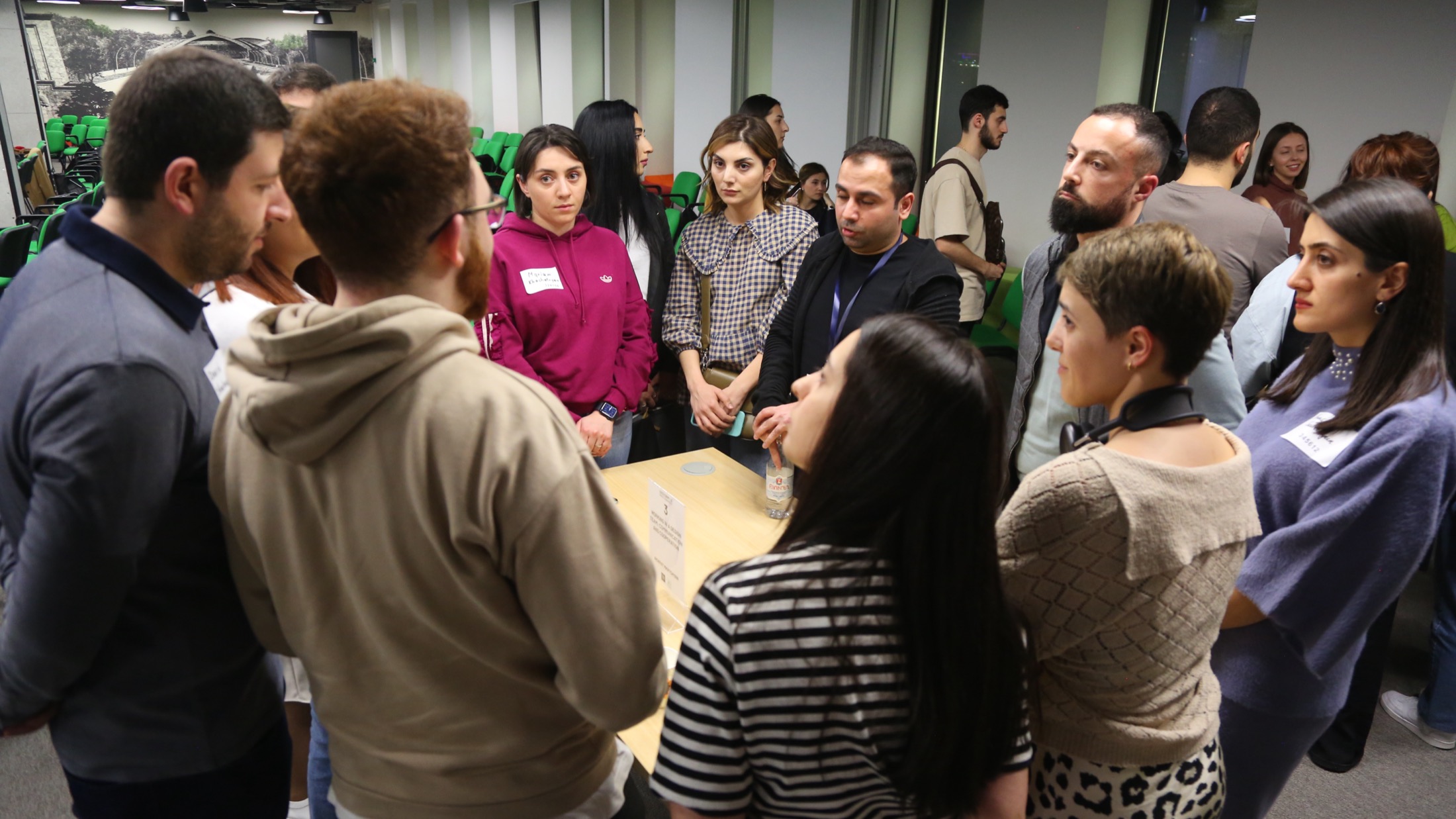
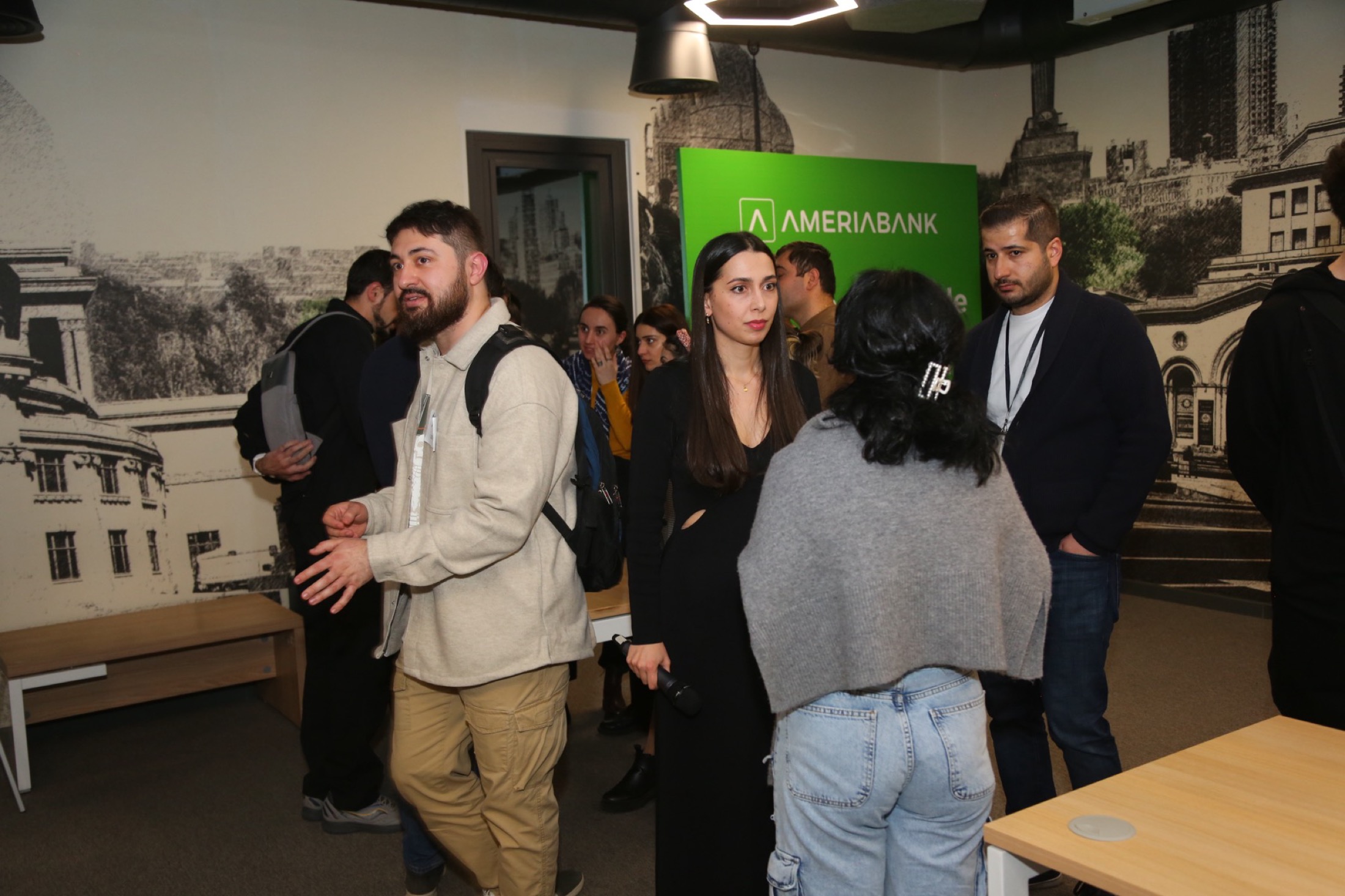
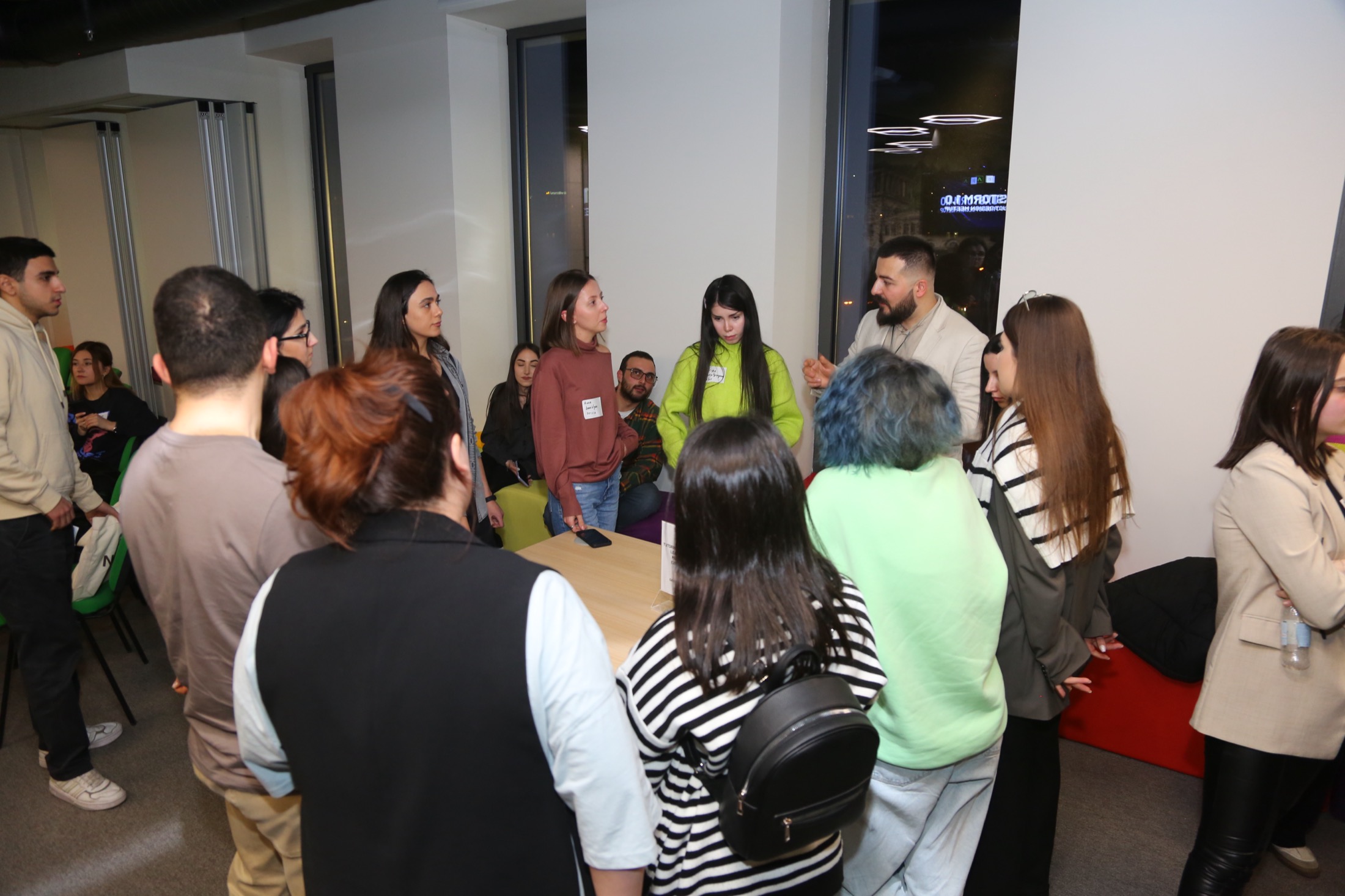
So the second half was not more talking at people. Six speed-discussion topics ran alongside the main programme, which meant a good share of the 120 spent the evening answering the question rather than watching two speakers answer it. Ameriabank partnered on the event and Armenian Code Academy brought it together.
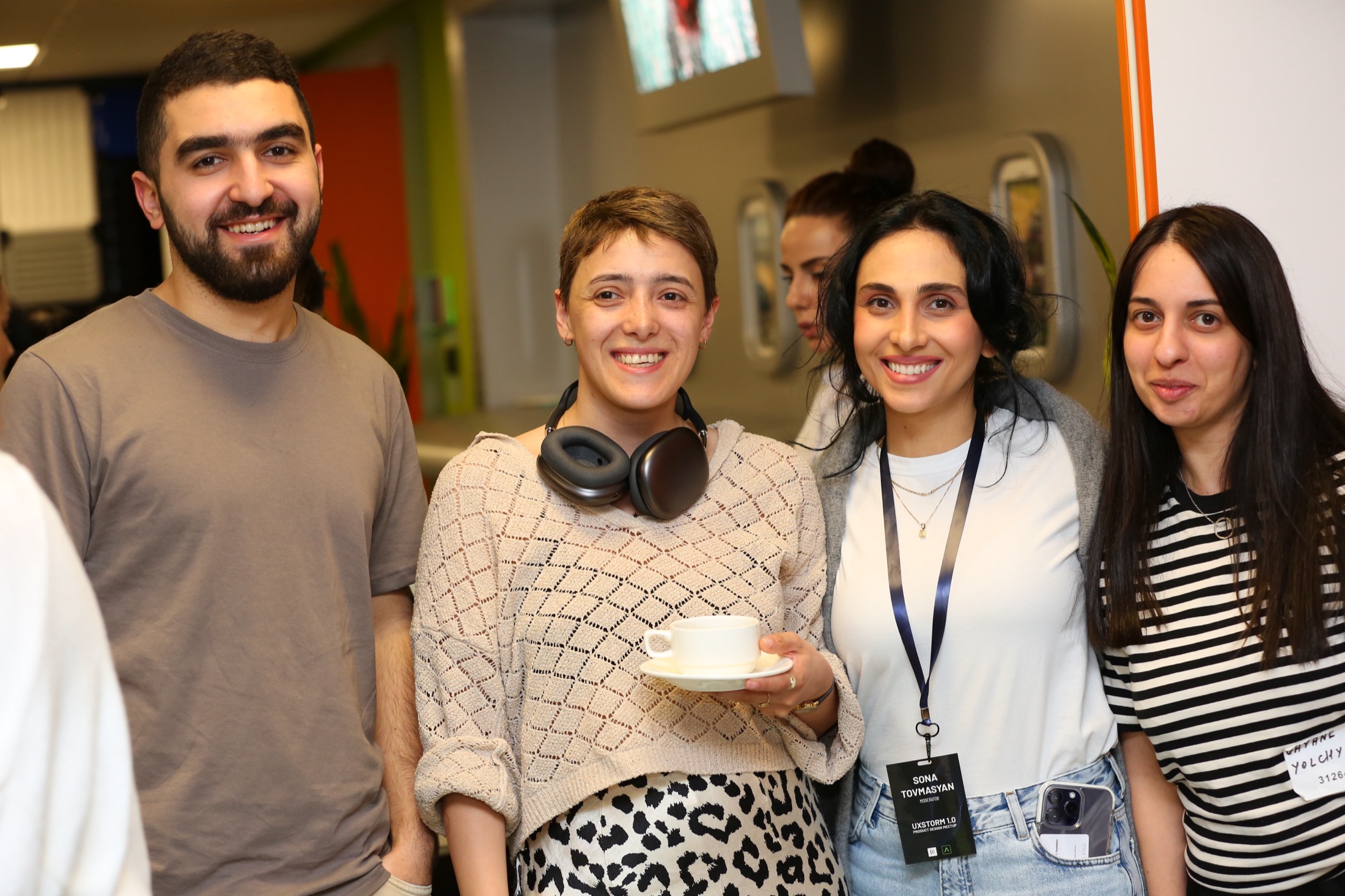
Between sessions someone played a keyboard at the edge of the stage. Students sat in the same rows as people running design teams. It was a professional evening, not a formal one — and it set the shape every UX Storm since has kept.